
AI tools have found their way into almost 80% of organizations, which makes ai governance consulting crucial for modern businesses. While AI adoption soars, trust remains a concern – only 27% of executives would put their faith in fully autonomous agents for enterprise use. Business functions that once treated AI as experimental now consider it mission-critical, yet governance frameworks lag behind this rapid transformation.
Investment in AI continues to surge, with the global market expected to hit $391 billion by 2025. The technology’s impact grows deeper as 65% of businesses now use generative AI in at least one function. Security remains a pressing issue, with 71% of organizations pointing to new threats as their main concern. These trends highlight why ai governance consulting services have become fundamental to business operations. This piece will help you understand what ai governance consulting encompasses and how to pick the right partner to address these complex challenges. You’ll discover concrete criteria to make informed decisions, whether you’re new to ai governance consulting firms or ready to enhance your existing framework.
Identifying High-Impact Use Cases for AI Governance
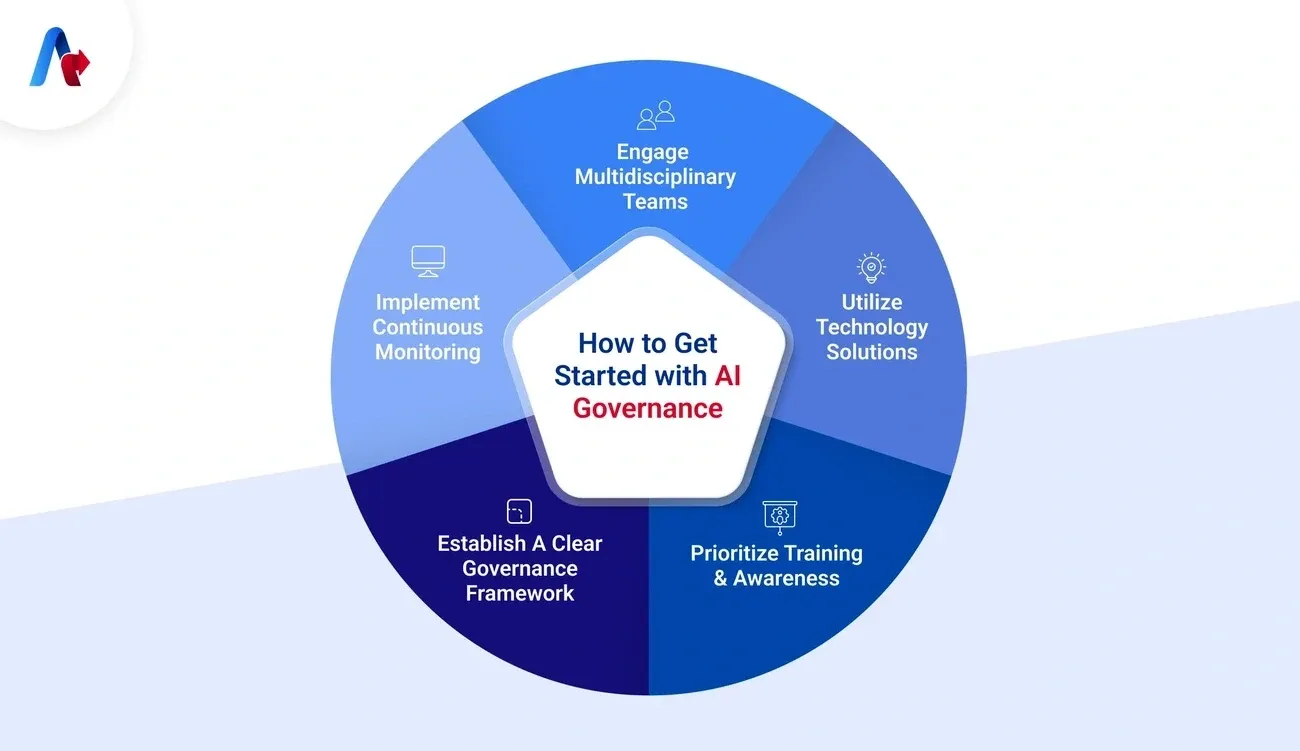
Image Source: KumoHQ
“The problem that needs to be addressed is that the government itself needs to get a better handle on how technology systems interact with the citizenry. Secondarily, there needs to be more cross-talk between industry, civil society, and the academic organizations working to advance these technologies and the government institutions that are going to be representing them.” — Clem Delangue, Co-founder and CEO, Hugging Face
Choosing the right ai governance consulting partner starts with finding suitable use cases. McKinsey research reveals that only 15% of boards get AI-related metrics. This suggests a huge gap in governance oversight. The best consultants can help close this gap by targeting areas where AI governance delivers maximum business value.
Lining up AI governance with business goals
AI governance must connect directly to your organization’s strategic goals to succeed. Your governance efforts should match how much AI affects your competitive landscape. The first step toward effective AI governance requires clear agreement between leadership and management about your company’s AI direction and vision.
Great consultants begin by exploring how AI governance can boost specific business goals like customer satisfaction, operational efficiency, or sustainability targets. This approach ensures governance becomes a business value driver rather than just a compliance task.
Prioritizing use cases with measurable ROI
Many organizations face challenges with AI initiatives because they lack a structured way to pick the right opportunities. MIT research shows that sales and marketing make up about 50% of GenAI investments based on executive estimates. These areas get more attention because they show clearer ROI.
Look for ai governance consulting services partners who:
-
Help calculate potential opportunities and risks of AI adoption
-
Set up measurable metrics tied to business outcomes
-
Help develop a “lowest-hanging fruit” method to find high-impact, low-effort use cases
The best consultants suggest starting small with practical use cases that show value within 2-4 weeks. This builds momentum for bigger initiatives.
Avoiding AI for AI’s sake: focusing on outcomes
Companies often make the mistake of implementing AI without connecting it to business outcomes. Good ai governance consulting firms help you avoid this trap by focusing on both business value and responsible implementation.
Leading consultants make sure AI initiatives support measurable goals – better customer experience, lower operational costs, improved productivity, or predictive analytics capabilities. They help you choose AI use cases that match your KPIs. This ensures your AI strategy drives growth instead of becoming a cost burden.
Note that excellent governance stands out through consistent execution across the AI lifecycle, not just documentation. Top consultants make this easier by linking experimentation with accountability, so AI delivers real business value.
Key Criteria for Selecting AI Governance Consulting Services
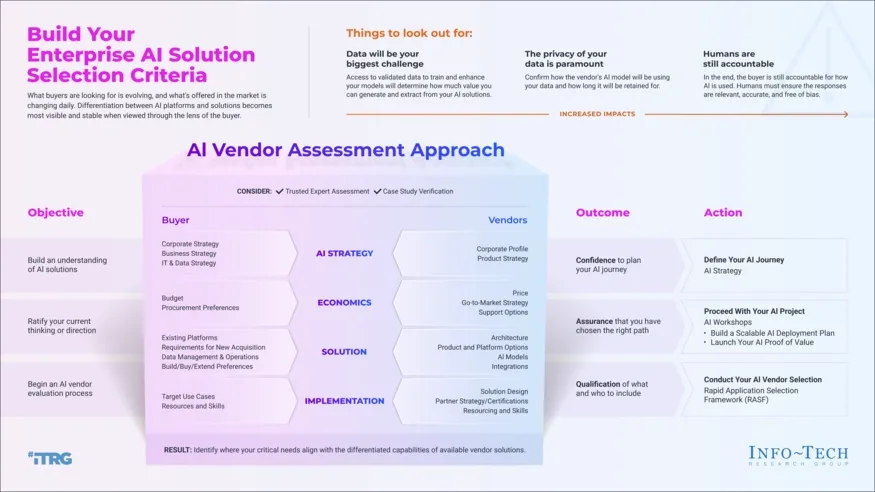
Image Source: Info-Tech
Choosing the right partner for AI governance needs a thorough look at several critical factors. Top-tier AI governance consulting partners don’t just offer generic solutions—they bring specialized expertise that fits your organization’s unique challenges.
Domain expertise in your industry
Your AI governance success depends on industry-specific knowledge. AI behavior can lead to completely different outcomes based on the sector. Healthcare, finance, and aviation need governance frameworks that focus on traceability and compliance because of strict regulations. Less regulated sectors work better with flexible approaches. You should look for consultants who have proven experience in your specific industry and understand your operational incentives and regulatory requirements.
Structured methodology for governance implementation
Good consultants give you clear frameworks that blend with your existing risk management practices. IBM’s approach tackles both organizational governance and technical tools. Their well-laid-out methods define roles, responsibilities, and accountabilities throughout the AI lifecycle. On top of that, the best partners help you create AI governance councils with leaders from your company to oversee initiatives and show commitment to ethical guardrails.
Support for responsible AI practices and compliance
The best consulting services help organizations build adaptable frameworks that keep AI systems ethical and compliant. They help you conduct AI risk assessments, set up testing protocols for fairness and transparency, and create ongoing monitoring systems. As regulations like the EU AI Act continue to change, your consultant should guide you through these changes.
Ready to assess your AI governance readiness? Book a Readiness Call to get a full picture of your organization’s current capabilities and identify next steps.
Ensuring Scalability, Integration, and Post-Launch Support
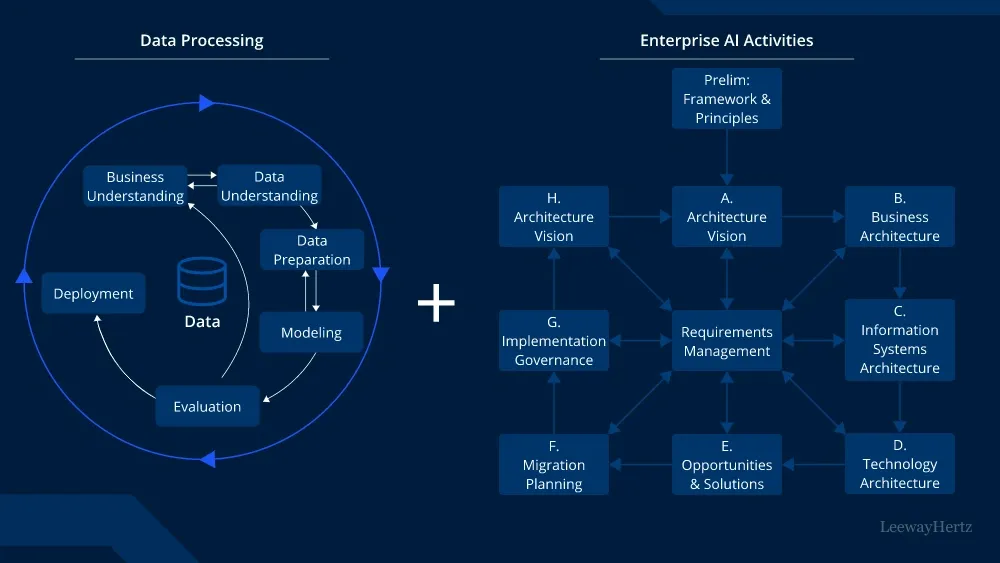
Image Source: LeewayHertz
“The next decade will see AI move beyond being a back-office efficiency tool to becoming a potentially proactive ethical compass for nonprofit boards. The way things are headed, I sense that AI will not only analyze compliance and performance data in real time but also flag ethical dilemmas before they occur — surfacing unintended consequences of decisions and their impacts, potential mission drift risks and stakeholder sentiment shifts.” — Patrick Downes, Managing Partner, Governance Ireland
The success of any AI initiative depends on how well it grows and merges after the original deployment. Good AI governance consulting must tackle these post-implementation challenges to create lasting value.
Integration with existing workflows and infrastructure
The best governance frameworks naturally blend into current operational systems. Companies that merge AI into existing workflows see 50% average time savings and 40% faster time-to-value compared to standalone solutions. AI embedded within systems reduces adoption friction by keeping institutional knowledge in current processes. Top consultants suggest connecting AI capabilities through APIs with targeted prompts instead of building entirely new systems, which reduces disruption.
Post-deployment monitoring and model updates
AI governance needs constant attention. In fact, an AI model’s performance starts to degrade as real-life conditions move. Quality consulting services create continuous monitoring systems to track model performance, assess data drift, detect bias, confirm policy compliance, and spot emerging risks. This ongoing feedback loop will give AI systems the ability to meet business expectations as operational environments change.
Knowledge transfer and internal team enablement
Knowledge transfer creates the foundation for sustainable governance. AI consultants should maintain standardized documentation including:
-
System summaries defining purpose and scope
-
Data documentation recording sources and constraints
-
Evaluation summaries capturing performance limitations
-
Monitoring plans defining ongoing oversight
We focused on building a “Center of Excellence” that teaches internal teams and encourages organizational readiness through practical exercises and incident response training.
Avoiding Common Pitfalls in AI Governance Consulting
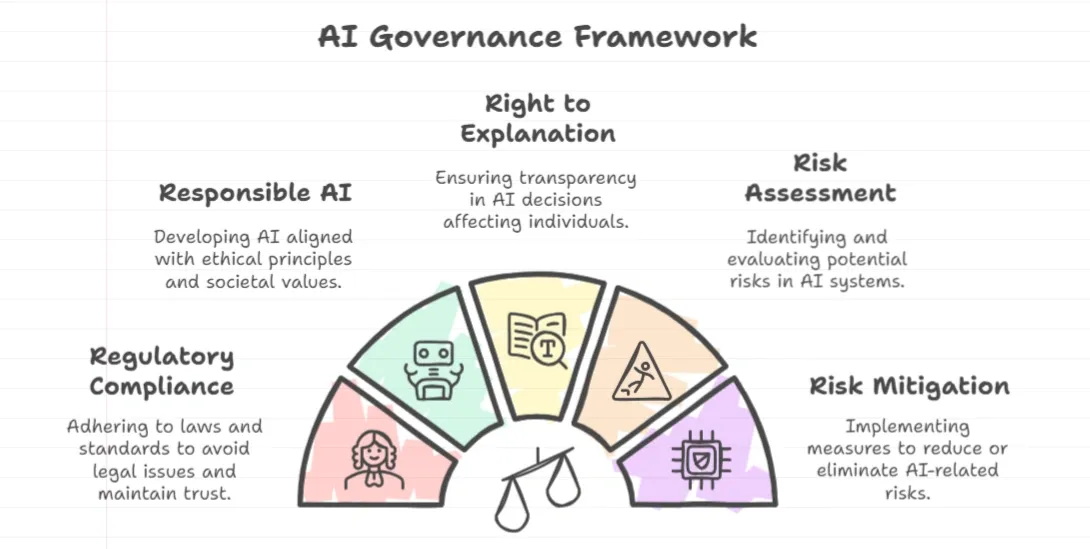
Image Source: Medium
Organizations face serious pitfalls when implementing detailed AI governance strategies. A good understanding of these common mistakes helps deliver better consulting outcomes.
Overreliance on black-box models
Black-box AI systems create major governance challenges because their internal decision-making stays opaque even to developers. A survey shows 63% of executives using AI couldn’t explain their systems’ decisions. This lack of transparency erodes trust and exposes organizations to legal risks. Good consultants should implement explainability tools like SHAP or LIME that give clear explanations without affecting performance.
Lack of documentation and governance protocols
Most poorly designed governance runs on informal guidelines with unclear accountability structures. Detailed documentation that includes system summaries, data sources, and monitoring plans are the foundations of eco-friendly governance. Consultants must create formal policies that cover data handling, model development, deployment approval, and ongoing monitoring needs.
Choosing firms without ethical AI frameworks
Many organizations pick consultants who don’t have 10-year old ethical frameworks. This creates major blind spots in bias detection, privacy protection, and regulatory compliance. The right partners follow well-laid-out principles of responsible AI: empathy for society’s implications, strong bias control, clear operations, and defined accountability mechanisms. These safeguards prevent financial, legal, and reputation damage.
Conclusion
Your organization’s success in today’s AI-driven world depends on picking the right AI governance consulting partner. We looked at everything that makes AI governance work – from finding the best use cases to steering clear of common mistakes. The numbers tell an interesting story: while 80% of organizations use AI tools, only 27% of executives trust autonomous agents for business use. This trust gap shows why proper governance matters so much.
You need to match AI governance with your business goals instead of using one-size-fits-all solutions. The best way to show quick results and build momentum is to focus on use cases that deliver measurable returns. Your consultant should know your industry inside out and understand the rules and limits that affect how you use AI.
Good governance needs more than just setup. Your AI systems grow and change, so you must watch them closely to catch any problems early. You’ll save time, money, and your reputation by avoiding common mistakes like using hard-to-explain models or keeping poor records.
Start by checking how well your current AI governance works. We suggest you Book a Readiness Call to figure out what your organization needs and create a plan that fits. This check helps you build a framework that balances new ideas with responsibility.
Companies that set up strong governance early will lead the AI race. They make sure their systems stay ethical, follow rules, and help achieve business goals. The consulting partner you choose now will help your company direct its path through the changing AI landscape.
Key Takeaways
Selecting the right AI governance consulting partner is crucial for organizations navigating the complex landscape where 80% have adopted AI tools but only 27% trust autonomous agents for enterprise use.
• Align governance with business outcomes: Focus on measurable ROI and avoid “AI for AI’s sake” by connecting governance directly to strategic objectives like customer satisfaction and operational efficiency.
• Prioritize industry expertise and structured methodology: Choose consultants with proven experience in your sector who provide clear frameworks for responsible AI implementation and regulatory compliance.
• Ensure scalability and ongoing support: Effective governance requires continuous monitoring, knowledge transfer, and integration with existing workflows to maintain long-term value and performance.
• Avoid common pitfalls: Steer clear of black-box models, inadequate documentation, and consultants lacking ethical AI frameworks to prevent financial, legal, and reputational risks.
The most successful AI implementations combine innovation with responsibility through robust governance structures established early in the process. Your consulting partner choice today will determine how effectively your organization navigates the evolving AI landscape and builds stakeholder trust in autonomous systems.
FAQs
Q1. What is AI governance consulting and why is it important? AI governance consulting helps organizations implement frameworks to ensure responsible and ethical use of AI technologies. It’s crucial because it helps businesses align AI initiatives with strategic goals, manage risks, and maintain compliance with evolving regulations.
Q2. How do I choose the right AI governance consulting partner? Look for consultants with domain expertise in your industry, a structured methodology for governance implementation, and support for responsible AI practices. They should also demonstrate the ability to integrate AI governance with your existing workflows and provide post-launch support.
Q3. What are some common pitfalls to avoid in AI governance? Common pitfalls include overreliance on black-box models, lack of proper documentation and governance protocols, and choosing consulting firms without established ethical AI frameworks. Avoiding these issues is crucial for successful AI implementation and risk management.
Q4. How can AI governance consulting help with regulatory compliance? AI governance consultants can assist in navigating complex regulatory landscapes, such as the EU AI Act. They help conduct AI risk assessments, implement testing protocols for fairness and transparency, and establish ongoing monitoring systems to ensure compliance with evolving regulations.
Q5. What should I expect from post-deployment AI governance support? Effective post-deployment support includes continuous monitoring of AI system performance, regular model updates, and knowledge transfer to internal teams. This ongoing support ensures that AI systems remain aligned with business expectations and compliant with regulations as operational environments evolve.