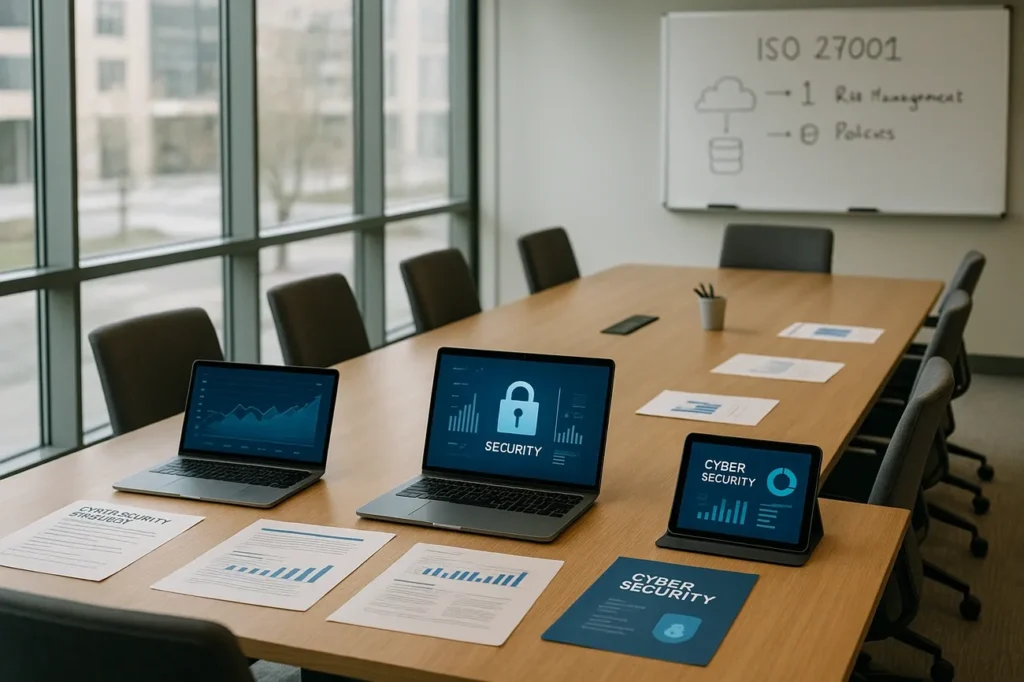
A shocking 60% of data breaches involve third-party vendors. This fact expresses why a proper ISO 27001 risk assessment is crucial for organizations of all sizes.
Your organization must protect sensitive information, even when functions are outsourced to external partners. A vulnerable vendor can become your defense strategy’s weak point and expose your environment to data breaches, compliance issues, or operational outages.
ISO 27001 demands that you identify vendors, control their access, and monitor how they comply with your Information Security Management System (ISMS). Vendor risk management helps us identify, analyze, and control supplier risks before they become major threats.
This piece will show you how to utilize ISO 27001 requirements to build a strong vendor assessment process. We’ll provide practical guidance to strengthen your third-party risk management framework and maintain compliance with this critical security standard. You’ll learn everything from creating complete questionnaires to setting up continuous monitoring practices.
Key Elements of ISO 27001 Vendor Assessment Templates
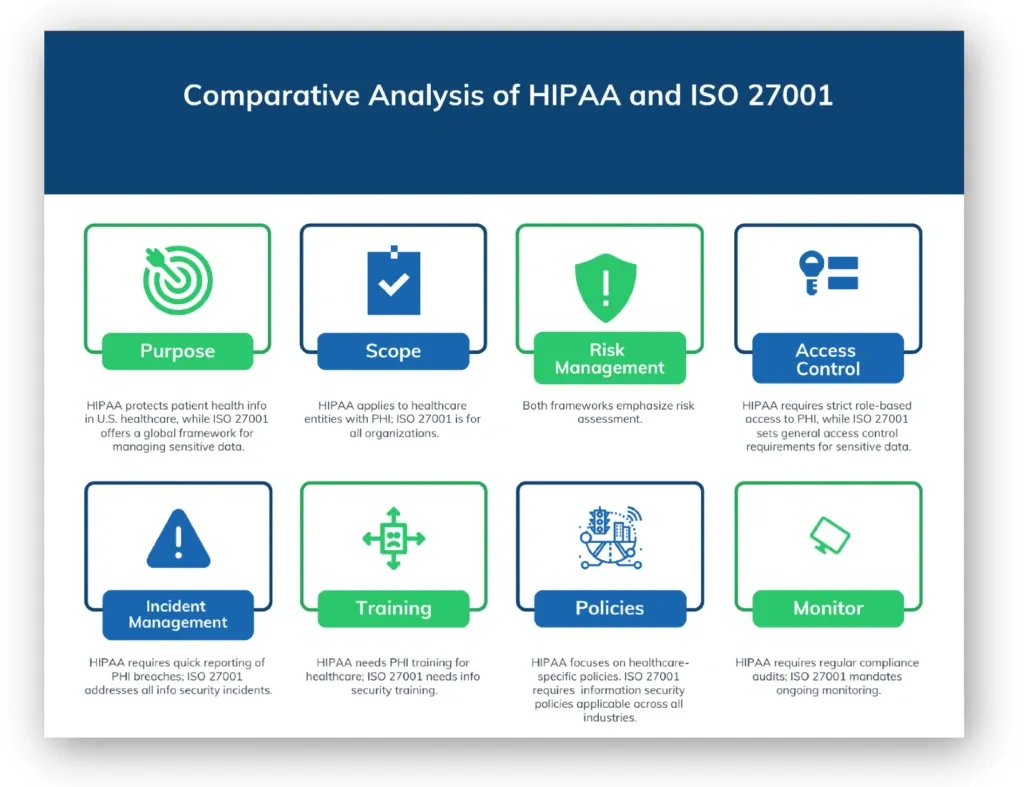
Image Source: Centraleyes
A well-laid-out ISO 27001 vendor assessment template helps organizations assess third-party security practices. Three essential components are the foundations of any detailed vendor risk management framework.
Vendor classification and risk scoring
Categorizing suppliers based on their risk profiles starts the vendor assessment process. ISO 27001 guidelines recommend classifying vendors into high, medium, or low-risk tiers based on:
- Data criticality and sensitivity they handle
- Depth of system integration and access levels
- Operational dependency on their services
- Regulatory implications of the relationship
Risk classification drives the level of scrutiny needed. Vendors handling regulated data like personal information, health records, or financial details need stronger controls. High-risk vendors need more detailed security assessments and frequent monitoring than their low-risk counterparts.
Security policies and governance checks
The template should assess the vendor’s security governance structure after classification. This section determines if the supplier has formal information security policies that arrange with ISO 27001 requirements. Key areas include:
- Documented security ownership and leadership roles
- Regular policy reviews and updates
- Clear roles and responsibilities for information security
- Evidence of risk assessment methodologies
- Industry certifications (existing ISO 27001 certification substantially speeds up this process)
Access control and data protection
The third vital element looks at how vendors protect sensitive information. This component assesses:
- Authentication methods and password policies
- Role-based access controls implementation
- Data encryption standards (both at rest and in transit)
- Secure deletion and media disposal protocols
- Physical media handling procedures
A well-designed ISO 27001 vendor assessment template provides a consistent framework that helps make informed risk decisions about your supplier ecosystem.
Designing and Using ISO 27001 Questionnaires
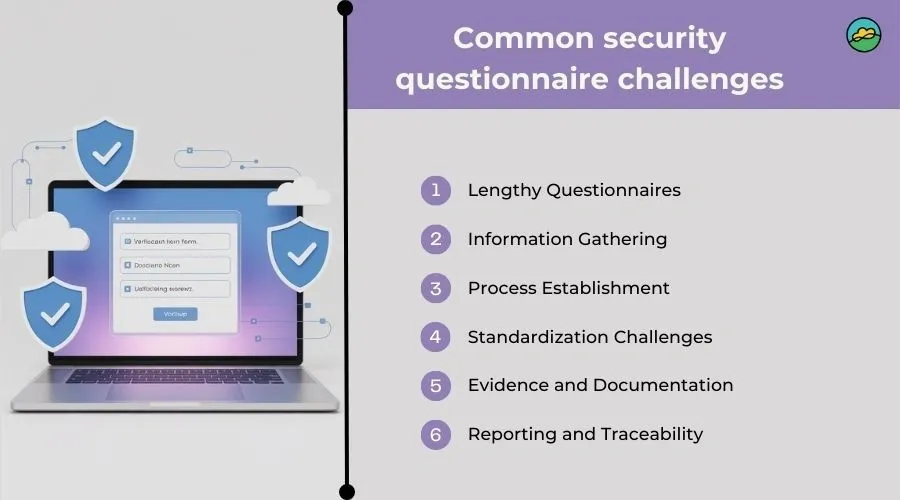
Image Source: TrustCloud
Well-designed questionnaires are the foundations of any ISO 27001 vendor assessment program. Studies of over 500 vendor assessments reveal that questionnaires with 12-15 core security domains catch 89% of critical vulnerabilities. These surveys help collect standard information about cybersecurity practices, data privacy, and regulatory compliance to assess each vendor’s risk posture.
Map questions to ISO 27001 controls
Questions must line up with ISO 27001 controls to work properly. Each question needs to connect directly to specific sections of the standard. Questions about data handling connect to Annex A.8 (Asset Management), while access control questions match with Annex A.9. This mapping serves two vital purposes. It gives a complete coverage of all relevant security domains and provides clear tracking during audits. This shows that vendor risks follow ISO standards.
Studies show organizations using multiple frameworks find 43% more security gaps than those using just one. You should think over adding other frameworks based on your industry needs.
Include both qualitative and quantitative items
The best questionnaires mix structured and open-ended questions. This helps gather measurable data and valuable context. Yes/no and multiple-choice questions give clear metrics. Descriptive responses help learn about implementation details.
Here are some examples that work well:
- “Does your organization maintain ISO 27001 certification?” (quantitative)
- “How often do you conduct internal security audits?” (quantitative)
- “Describe your data backup and recovery process.” (qualitative)
Research shows questionnaires that focus on implementation details rather than just policy existence cut down false security assurances by 67%.
Assign scoring and risk weights
A weighted scoring system helps critical controls carry more weight. Scores should match how well responses line up with your internal standards or external frameworks. This gives you the quickest way to assess vendors and group them into risk tiers (low, medium, high). Teams can then focus on fixing issues where they matter most.
Your scoring method should reflect your company’s risk tolerance and compliance needs. This turns your questionnaire from a basic compliance task into a strategic tool that drives smart risk decisions.
Conducting Supplier Audits with ISO 27001 Framework
The implementation of an ISO 27001 vendor risk management framework moves beyond theoretical planning into practical action. ENISA’s 2023 report highlighted third-party incidents as the leading cause of large data leaks, surpassing internal breaches. This sobering reality underscores the importance of a structured supplier audit process.
Distribute and evaluate vendor responses
Initially, share your ISO 27001 vendor assessment template with selected suppliers, establishing clear timelines and accountability mechanisms. Encourage vendors to provide detailed, evidence-backed responses rather than simple yes/no answers. This approach transforms your questionnaire from a compliance exercise into a strategic risk management tool.
Verify evidence and certifications
Subsequently, thorough verification becomes critical. Review supporting documents including:
- Current ISO 27001 certificates and SOC 2 reports
- Recent penetration test results and vulnerability scan outputs
- Business continuity test documentation
- Incident response procedures
Indeed, enterprise buyers now demand evidence-based security validation before contract execution—not aspirational statements about security posture. Organizations without structured evidence collection invest 550-600 hours annually managing compliance reactively.
Develop risk treatment plans
For vendors with identified gaps, create specific risk treatment plans. These documents should clearly outline:
- Selected treatment approach (avoid, mitigate, transfer, or accept the risk)
- Specific corrective actions with deadlines
- Responsible parties for implementation
- Expected post-treatment risk scores
Book a readiness Call to evaluate your vendor assessment maturity and identify improvement opportunities.
Maintaining Compliance Through Continuous Monitoring
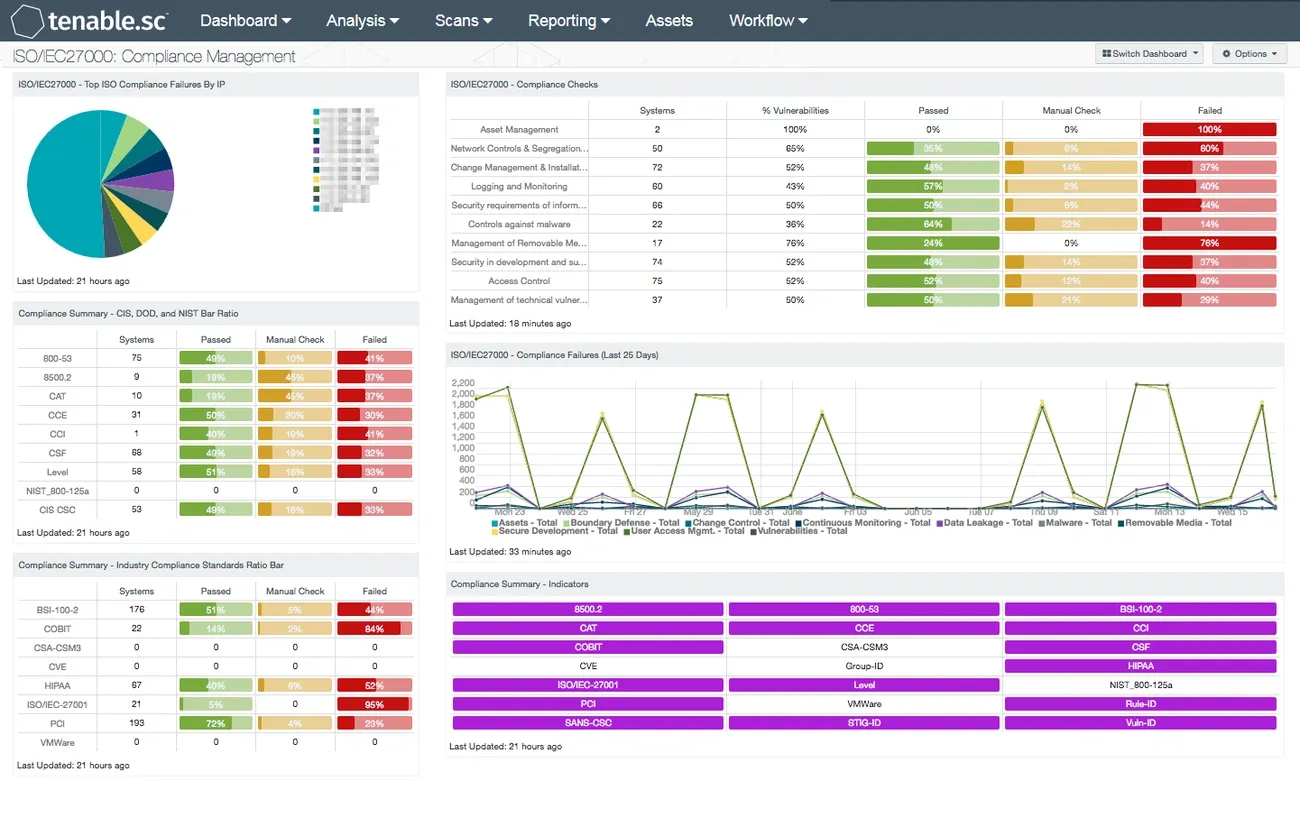
Image Source: Tenable
ISO 27001 highlights that vendor management needs constant watchfulness. ENISA’s 2023 report shows third-party incidents have overtaken internal breaches to become the main source of major data leaks. Companies must move from occasional checks to constant monitoring.
Use ISO 27001 risk assessment tools
Automation tools make compliance tracking easier by bringing together assessment data, evidence collection, and monitoring activities. These platforms give you up-to-the-minute data analysis of vendor risk changes and eliminate blind spots between scheduled reviews. Organizations can save 550-600 hours each year by automating risk assessment workflows instead of managing compliance reactively.
Track vendor performance and SLA breaches
Your monitoring should look at:
- Service delivery against contractual requirements
- Security control effectiveness
- Compliance with agreed-upon terms
You should flag any SLA failures, control violations, or unreported incidents that could put your systems or data at risk. About 60% of organizations now value redundancy and resilience more than speed and efficiency in their supply chains.
Update assessments based on service changes
You need new assessments when:
- Security incidents or data breaches happen
- Organizational changes occur (mergers, acquisitions)
- New services or subprocessors join
- Contracts get renewed or modified
High-risk vendors need assessment at least yearly. Material changes should trigger immediate reviews whatever the schedule.
Document findings in a risk assessment report
Complete reports should cover vendor profiles, compliance status, risk scores, and remediation plans. These documents are vital evidence during ISO 27001 audits and show your steadfast dedication to ongoing risk management.
Conclusion
Vendor management through ISO 27001 is the life-blood of organizational security in today’s interconnected business world. This piece explores how third-party partnerships can introduce major vulnerabilities if not managed properly, despite their benefits. The numbers tell the story—60% of data breaches happen with vendors, making structured assessment processes crucial.
We’ve looked at how complete vendor assessment templates are the foundations to identify risks before they become threats. These templates should include vendor classification systems, a full review of security governance structures, and detailed analysis of access control mechanisms. Together, these elements create a resilient framework to make informed decisions about your supplier ecosystem.
Well-designed questionnaires that map directly to ISO 27001 controls give consistent, measurable ways to review vendor security practices. A mix of quantitative metrics and qualitative context will give a deeper understanding of actual implementation practices while verifying compliance.
The practical implementation phase needs proof rather than assumptions. Evidence collection, certificate validation, and proper documentation create the accountability needed for true security assurance. Companies that struggle with their vendor management approach can Book a readiness Call to spot gaps in their current processes and build a more mature assessment strategy.
Vendor management under ISO 27001 shows your steadfast dedication rather than a one-time project. Regular reassessments, continuous monitoring, and quick updates after service changes turn vendor security from a compliance checkbox into a dynamic risk management discipline. This proactive approach satisfies ISO 27001 requirements and reduces the chances of costly third-party security incidents.
Your organization will be better prepared to guide supply chain security challenges while you retain control of both regulatory compliance and operational resilience after implementing these ISO 27001-based practices. Structured vendor assessment pays off through reduced risk exposure and stronger third-party relationships built on verified trust.
Key Takeaways
With over 60% of data breaches involving third-party vendors, implementing ISO 27001-based vendor assessment processes is critical for protecting your organization’s sensitive information and maintaining compliance.
• Classify vendors by risk level based on data sensitivity, system access, and operational dependency to determine appropriate assessment depth and monitoring frequency.
• Map questionnaire items directly to ISO 27001 controls ensuring comprehensive coverage of security domains while maintaining audit traceability and compliance alignment.
• Verify evidence rather than accept claims by reviewing certifications, penetration test results, and incident response procedures to validate actual security implementation.
• Implement continuous monitoring beyond initial assessments tracking SLA breaches, service changes, and security incidents to maintain ongoing risk visibility.
• Document all findings in structured risk assessment reports to demonstrate ISO 27001 compliance and support informed decision-making about vendor relationships.
Organizations using structured ISO 27001 vendor assessment frameworks reduce reactive compliance management from 550-600 hours annually while identifying 89% of critical vulnerabilities through comprehensive security domain coverage. This proactive approach transforms vendor management from a compliance checkbox into a strategic risk management discipline that strengthens your entire supply chain security posture.
FAQs
Q1. How can organizations verify vendor responses during security assessments? Organizations should request supporting evidence like certifications, audit reports, and policy documents. They can also include legal attestations in questionnaires and contractual right-to-audit clauses. However, some level of trust is necessary, as exhaustive verification is often impractical.
Q2. What are the key elements of an ISO 27001 vendor assessment template? An effective template should include vendor classification and risk scoring, evaluation of security policies and governance, and assessment of access control and data protection measures. It should align questions with specific ISO 27001 controls and cover critical security domains.
Q3. How often should vendor risk assessments be conducted? High-risk vendors typically require annual reassessment at minimum. However, assessments should also be triggered by significant changes such as security incidents, organizational changes, new services, or contract modifications. Continuous monitoring is recommended to maintain ongoing risk visibility.
Q4. What role do certifications play in vendor risk management? Certifications like ISO 27001 or SOC 2 can significantly simplify the assessment process. They provide third-party validation of a vendor’s security practices. Organizations should consider prioritizing vendors with relevant certifications and focusing additional scrutiny on areas not covered by these standards.
Q5. How can small to medium-sized businesses effectively manage vendor risk? SMBs can start by categorizing vendors based on data sensitivity and operational dependency. They should focus on critical suppliers, leveraging industry-standard questionnaires and certifications where possible. Implementing a simple tiered assessment approach and utilizing automation tools can help manage the process efficiently without overwhelming resources.