
The numbers are striking – only 200 companies have completed CMMC Level 2 assessments out of 80,000 organizations that need certification. Defense Industrial Base contractors face mounting pressure as the December 16, 2024 deadline approaches faster. They must achieve compliance or risk losing valuable DoD contracts.
Your organization needs to meet 110 practices arranged with NIST SP 800-171 standards for CMMC Level 2 compliance. The readiness process usually takes 12 to 24 months based on your starting point. Your certification costs could jump 20-30% if you delay compliance planning. Limited assessor availability and compressed timelines drive these increased costs. Most organizations need 6-12 months to prepare properly and avoid missing revenue opportunities.
This complete guide breaks down CMMC Level 2 readiness costs, including certification expenses and hidden fees. You’ll learn budget-friendly ways to plan your investment. We’ll get into both direct and indirect compliance costs and share practical strategies to maximize your spending. This piece will help you guide your financial planning for successful CMMC Level 2 implementation, whether you’re a prime contractor, subcontractor, or service provider handling Federal Contract Information (FCI) or Controlled Unclassified Information (CUI).
Understanding CMMC Level 2 Readiness and Scope
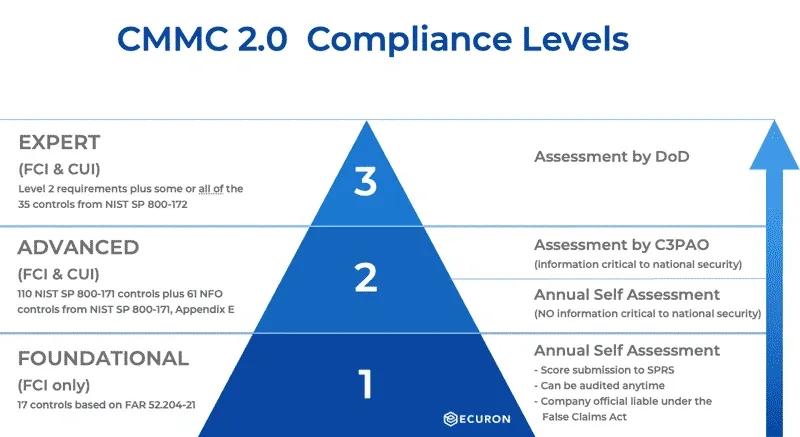
Image Source: ECURON
CMMC Level 2 helps organizations that handle sensitive government data in the Defense Industrial Base. You need to know the requirements, controls, and how to set the right scope before spending money on implementation. This will help control costs and stop the project from growing too big.
CMMC Level 2 requirements and NIST 800-171 alignment
CMMC Level 2 works hand in hand with NIST Special Publication 800-171. This gives a standard way to protect Controlled Unclassified Information (CUI). The DoD created CMMC Level 2 because many contractors weren’t following NIST 800-171 requirements properly.
The Department of Defense came up with CMMC after seeing that defense suppliers weren’t consistently following NIST 800-171 standards. CMMC Level 2 doesn’t add new requirements – it just takes all the security controls from NIST 800-171 Rev 2, making both frameworks similar.
CMMC Level 2 certification shows that your organization can protect CUI well enough to handle potential threats. This protection extends to information shared with subcontractors throughout supply chains.
How many controls in CMMC Level 2 and what they cover
CMMC Level 2 has all 110 security controls from NIST SP 800-171, hosted in 14 different security domains. These controls give detailed protection requirements for CUI throughout its lifecycle.
The 14 security domains has:
- Access Control (AC) – Limits system access to authorized users only
- Awareness and Training (AT) – Helps staff spot security risks
- Audit and Accountability (AU) – Tracks and checks logs for incidents
- Configuration Management (CM) – Keeps systems configured securely
- Identification and Authentication (IA) – Checks user identity before giving access
- Incident Response (IR) – Sets up ways to spot and handle incidents
- Maintenance (MA) – Keeps systems secure during maintenance
- Media Protection (MP) – Protects physical and digital media with sensitive data
- Personnel Security (PS) – Makes sure system users have proper vetting
- Physical Protection (PE) – Controls who can enter facilities with CUI
- Risk Assessment (RA) – Reviews possible threats and weak points
- Security Assessment (CA) – Confirms if security controls work well
- System and Communications Protection (SC) – Keeps data safe during transmission
- System and Information Integrity (SI) – Fixes system flaws and stops malware
Assessors look at 320 assessment objectives for these 110 controls during certification. Your organization must implement all these objectives fully to get CMMC Level 2 certification.
CMMC Level 2 scoping guide: defining your CUI boundary
Getting the scope right matters a lot for CMMC Level 2 compliance because it affects how much your assessment will cost. The CMMC Assessment Scope tells you which parts of your setup need checking. Level 2 assessment scope works differently from Level 3.
The official CMMC Scoping Guide splits assets into five groups:
- CUI Assets – Systems that work directly with CUI. These need full assessment against all relevant controls and must appear in your asset inventory and System Security Plan (SSP).
- Security Protection Assets – Tools that keep CUI assets safe (like firewalls and SIEMs). These only need assessment for controls that match their security job.
- Contractor Risk Managed Assets – Systems that could handle CUI but aren’t meant to. These need documentation but less assessment.
- Specialized Assets – Things like IoT devices, operational technology, or government equipment that might handle CUI but can’t support all controls. These need special risk documentation.
- Out-of-Scope Assets – Systems completely cut off from CUI through physical or logical separation. These stay outside the assessment.
A good CUI boundary definition focuses on finding where CUI exists in your setup and creating proper separation between CUI and non-CUI assets. This approach can cut compliance costs by a lot because you’ll only need to assess systems that truly need protection.
Cost Breakdown for CMMC Level 2 Compliance
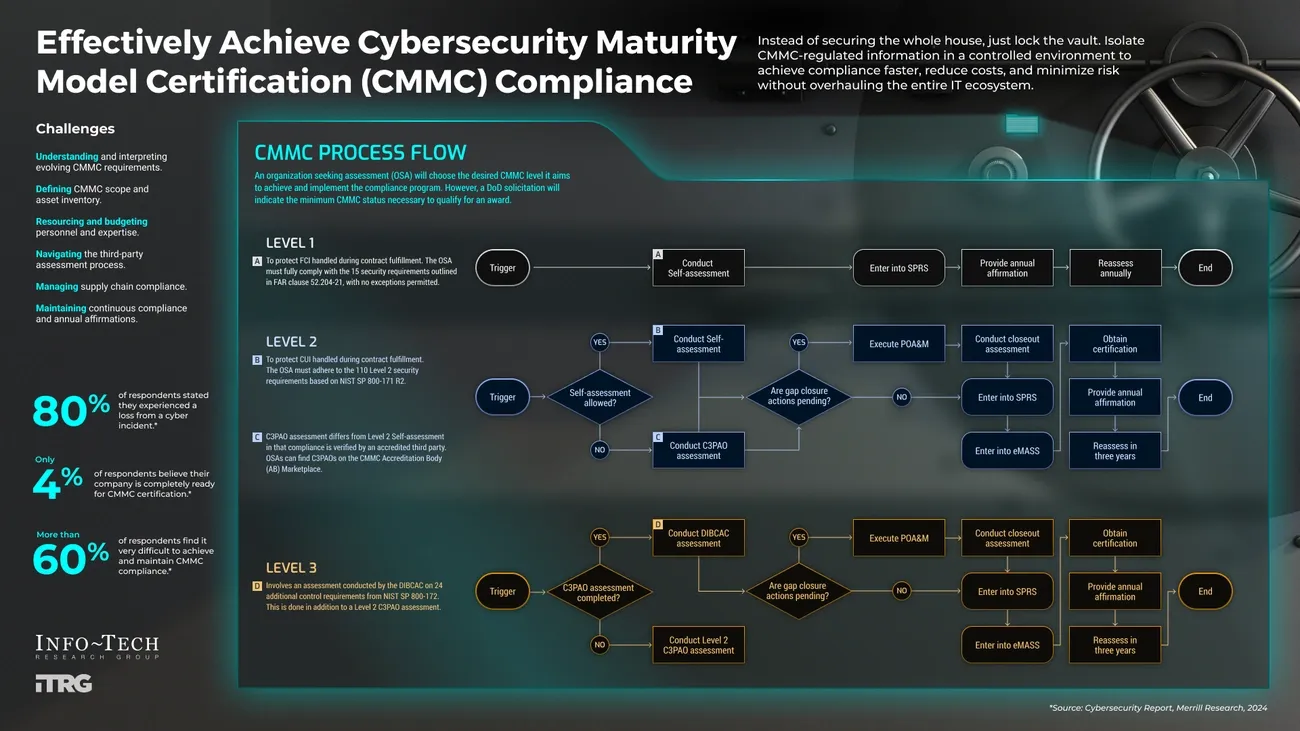
Image Source: Info-Tech
CMMC Level 2 certification requires a major financial commitment. Small to mid-sized contractors should expect to spend $70,000 to $250,000. Organizations need this cost breakdown to plan their budget throughout their compliance experience.
Readiness assessment and gap analysis costs
A full gap assessment reveals security shortcomings and serves as the first compliance step. Companies pay between $5,000 and $40,000 based on their size and complexity. Small and medium-sized businesses typically invest $10,000-$20,000 for a CMMC Level 2 gap analysis. Several factors affect this cost:
- Company’s size and current cybersecurity maturity
- IT complexity and number of locations
- Scope of systems handling CUI
Need help getting started? Book a Readiness Call with a specialized consultant to understand your assessment requirements.
Policy development and documentation expenses
Your compliance program’s foundation rests on documentation that costs between $10,000 and $50,000. The breakdown includes:
- System Security Plan (SSP): $5,000-$20,000
- Security policies and procedures: $3,000-$15,000[163]
- Standard Operating Procedures (SOPs): $2,000-$10,000[163]
- Plan of Action & Milestones (POA&M): $1,000-$5,000[163]
Technology upgrades: MFA, SIEM, endpoint protection
Technology investments vary widely from $20,000 to $250,000+ based on your current infrastructure. Key implementations include:
- Endpoint protection solutions: $5,000-$40,000
- Security Information and Event Management (SIEM): $15,000-$100,000
- Multi-Factor Authentication (MFA): $3,000-$30,000
- Network segmentation: $10,000-$80,000
- FIPS-validated encryption tools: $5,000-$40,000[163]
C3PAO assessment fees and scheduling considerations
Certified Third-Party Assessment Organizations (C3PAO) charge between $35,000 to $75,000 for formal certification. Department of Defense estimates show small entities spend about $105,000 to $118,000 over the three-year certification cycle.
C3PAOs usually have a 8-12 week booking window. The assessment takes 1-2 weeks to complete.
Training and awareness program costs
Staff training programs need an annual budget of $5,000 to $30,000[163]. This covers:
- Simple security awareness for all employees: $2,000-$10,000
- Specialized IT security training: $3,000-$15,000
- Annual refresher courses: $1,000-$5,000
Budget planning must account for these direct costs and the indirect expenses detailed in our next section.
Hidden and Indirect Costs to Watch For
Image Source: Slidenest
CMMC Level 2 compliance comes with many hidden costs that can affect your budget by a lot if you don’t plan ahead.
Internal labor and productivity loss
Your team’s time spent on CMMC compliance takes away from activities that generate revenue. Companies usually see a 5-15% productivity decrease when they implement new security procedures. Small businesses feel these productivity dips more because they have smaller teams. The core team often has to handle extra work during compliance projects. This can lead to burnout or people leaving, which hurts productivity even more.
Business process changes and workflow delays
Adding CMMC controls means system downtimes and process changes that slow down operations. Network segmentation projects need multiple maintenance windows that disrupt normal work. New access controls slow things down as users get used to extra authentication steps and stricter permissions. These changes mean you’ll need to update everything from your ticketing system to how you bring new employees on board.
Subcontractor compliance and legal fees
You must check if your subcontractors meet security standards when they handle CUI. Contractors with many suppliers spend hundreds of hours managing vendors. You might need to pay for:
- Extra coverage under your security solutions
- Legal help to update contracts
- Assessments to verify what subcontractors claim about compliance
Prime contractors are responsible when subcontractors don’t meet CMMC standards. This makes oversight crucial but it can get pricey.
Evidence collection and documentation overhead
Documentation upkeep is the most overlooked ongoing expense. Every system change, new app, or process update needs security documentation updates. Mid-sized contractors usually spend about 10-20 hours per week on this.
Staff gets pulled from regular duties to handle both technical work—like managing logs—and administrative tasks. Many companies don’t realize how much ongoing work documentation needs after the first setup. Proving compliance with each CMMC control takes lots of resources, especially without good documentation processes.
Good preparation helps, but formal assessments often find unexpected problems that need quick fixes. These last-minute solutions usually cost 3-5 times more than fixing them during normal implementation.
Strategies to Reduce CMMC Certification Cost
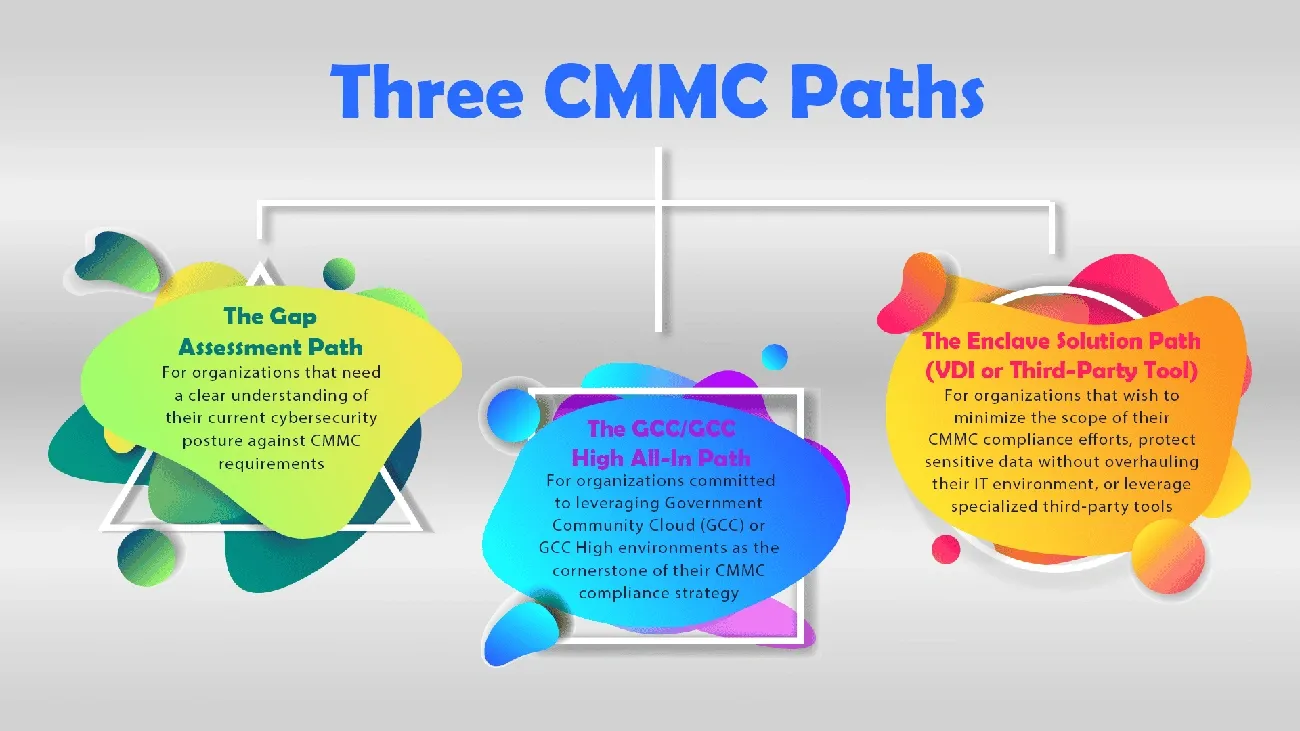
Image Source: FirstCall Consulting
Organizations can save thousands of dollars on their CMMC Level 2 certification by managing costs strategically. A well-planned approach prevents the typical 20-30% cost increase that comes with rushed implementation.
Leveraging existing security investments
Your organization likely has tools that already meet many CMMC requirements. Microsoft 365 E3 and E5 licenses come with security features that satisfy many NIST SP 800-171 requirements through multi-factor authentication, encryption, and audit logging. Security tools like CrowdStrike or SentinelOne meet several controls without extra purchases. Most organizations discover they already have 60-80% coverage when they map their current security tools to CMMC requirements.
Bundled tool stacks vs. individual solutions
Security platforms that integrate multiple tools provide better value than buying separate solutions. UTMStack bundles threat detection, SIEM, vulnerability management, and endpoint protection in one platform. These complete solutions help correlation engines work better and eliminate the hassle of managing separate tools. Mid-market teams save 80-120 staff-hours during each audit cycle by using integrated platforms, which justifies the $8,000-$15,000 yearly license costs.
Open-source tools and managed service providers
Budget-conscious organizations can meet certain requirements with open-source solutions. Tools like pfSense (firewall), Wazuh (SIEM), OpenVAS (vulnerability scanning), and Security Onion (network monitoring) serve as alternatives to commercial products. These tools need technical expertise to set up properly.
Working with a specialized Managed Service Provider (MSP) is often budget-friendly compared to building internal capabilities. DIB-focused MSPs implement frameworks faster because they work with many contractors, which cuts implementation time by months. MSPs usually charge fixed monthly fees that cover cybersecurity, IT operations, and compliance support, unlike unpredictable project costs.
Avoiding re-assessment through internal audits
Failed assessments can add $40,000-$80,000 in unexpected costs through remediation and re-auditing fees. Book a Readiness Call with CMMC experts to get a full picture of gaps before your official assessment. Your organization should use internal audit functions to independently verify your CMMC readiness.
Planning for Long-Term Compliance and Monitoring
You need ongoing investment to maintain CMMC Level 2 compliance during the three-year certification lifecycle. Smart financial planning helps you avoid budget surprises that could weaken your security position.
Budgeting for continuous monitoring tools
Continuous monitoring solutions make up much of the long-term compliance costs, typically $10,000 to $50,000 each year. These tools are vital:
- Regular vulnerability scanning services ($3,000-$15,000 annually)
- Quarterly penetration testing ($8,000-$30,000 annually)
- Daily security log reviews and analysis ($5,000-$20,000 annually)
- System patching and updates ($5,000-$25,000 in IT resource time)
A “recertification fund” helps manage these expenses by setting aside about one-third of expected costs yearly. This method turns the large three-year expense into a more manageable yearly budget item.
Annual self-assessments and documentation updates
Organizations must conduct annual self-assessments and keep documentation current between formal assessments. Small entities spend about $37,000 over three years on CMMC Level 2 self-assessments. The team needs 10-20 hours weekly to maintain documentation.
Staff turnover and recurring training costs
Staff departures can disrupt compliance efforts. The core team needs cross-training on CMMC responsibilities. Clear succession plans for security roles help reduce these risks.
Security awareness training costs range from $1,000-$5,000 yearly. IT staff need $40+ hours annually per employee for specialized security training. Book a Readiness Call to build a training program that tackles both compliance needs and staff changes.
Conclusion
Getting CMMC Level 2 certification is a big investment that Defense Industrial Base contractors must make. The December 2024 deadline is approaching fast. Most implementations take 12-24 months, which means organizations need to start planning now. Rushed compliance efforts cost 20-30% more than well-planned ones.
A detailed understanding of direct and indirect costs helps in planning CMMC Level 2 compliance finances. The total investment ranges from $70,000 to $250,000, which covers all 110 security controls. On top of that, it affects your bottom line through hidden costs like lost productivity, process changes, and subcontractor management if you don’t plan properly.
Smart cost management can help reduce these financial burdens. Your existing security tools might already cover many CMMC requirements. Bundled security platforms offer better value than separate solutions and save hundreds of staff hours on evidence collection. Specialized MSPs provide fixed monthly pricing that turns unpredictable project costs into manageable expenses.
The three-year compliance lifecycle needs budget planning beyond the original certification. You’ll need money for monitoring tools, yearly self-assessments, documentation updates, and regular training. A “recertification fund” helps spread these costs evenly throughout the certification period.
CMMC compliance stakes are nowhere near just certification costs. DoD contractors who miss the December 2024 deadline might lose their valuable contracts. The cost of non-compliance could be way more than even the most expensive implementation. Book a Readiness Call with CMMC experts today to assess your situation and create a cost-effective compliance plan. Your defense supply chain future might depend on it.
Key Takeaways
CMMC Level 2 compliance is a critical investment for Defense Industrial Base contractors, with total costs ranging from $70,000-$250,000 but potentially saving millions in retained DoD contracts.
• Start planning immediately – CMMC Level 2 requires 12-24 months for implementation, and delaying increases costs by 20-30% due to compressed timelines and limited assessor availability.
• Budget comprehensively beyond direct costs – Hidden expenses like productivity losses (5-15% decrease), business process changes, and subcontractor compliance can significantly impact your total investment.
• Leverage existing security investments – Map current tools like Microsoft 365 E3/E5 to CMMC requirements, as organizations often have 60-80% coverage already in place.
• Plan for ongoing compliance costs – Budget $10,000-$50,000 annually for continuous monitoring, self-assessments, and training throughout the three-year certification lifecycle.
• Consider strategic partnerships – Specialized MSPs and bundled security platforms often provide better value than individual solutions while reducing implementation complexity and staff overhead.
The December 2024 deadline is rapidly approaching, and contractors who fail to achieve compliance risk losing valuable DoD contracts entirely. The cost of non-compliance far exceeds even the most expensive implementation path, making immediate action essential for continued participation in the defense supply chain.
FAQs
Q1. What is the typical cost range for achieving CMMC Level 2 certification? The total cost for CMMC Level 2 certification typically ranges from $70,000 to $250,000 for small to mid-sized contractors. This includes expenses for readiness assessments, policy development, technology upgrades, C3PAO assessment fees, and training programs.
Q2. How long does it usually take to implement CMMC Level 2 compliance? The readiness process for CMMC Level 2 compliance typically takes 12 to 24 months, depending on an organization’s starting point. Delaying compliance planning can increase total costs by 20-30% due to compressed timelines and limited assessor availability.
Q3. What are some hidden costs associated with CMMC Level 2 compliance? Hidden costs include internal labor and productivity loss (typically a 5-15% decrease during implementation), business process changes and workflow delays, subcontractor compliance management, and ongoing evidence collection and documentation overhead.
Q4. How can organizations reduce the cost of CMMC Level 2 certification? Organizations can reduce costs by leveraging existing security investments, opting for bundled tool stacks instead of individual solutions, considering open-source tools or managed service providers, and conducting thorough internal audits to avoid costly re-assessments.
Q5. What ongoing expenses should be budgeted for after achieving CMMC Level 2 certification? After certification, organizations should budget for continuous monitoring tools ($10,000 to $50,000 annually), annual self-assessments (approximately $37,000 over three years for small entities), regular documentation updates, and recurring training costs for staff, including addressing turnover challenges.