
The just need for ISO 27001 compliance grows faster as organizations realize strong information security practices matter. We see how this internationally recognized standard has become vital for businesses that want to protect their data assets and show their dedication to security excellence.
An ISO 27001 gap analysis is a significant first step toward meeting the standard’s requirements. This systematic approach helps us review our security posture against what we need. Organizations that skip this key assessment often end up rushing to meet compliance requirements at the last minute. This leads to delays that get pricey and security setups that don’t work well. A solid gap analysis usually reveals problems in three key areas: governance, risk management, and operational security.
Getting ISO 27001 certified means more than just earning a badge for your organization. It validates your dedication to data protection, regulatory compliance, and operational resilience. Most organizations take 6 to 18 months to get certified. That’s why understanding the remediation process is key to success. In this piece, we’ll look at how gap remediation paves the way to ISO 27001 compliance and how you can guide your team through this experience effectively.
Understanding the Gap Remediation Framework
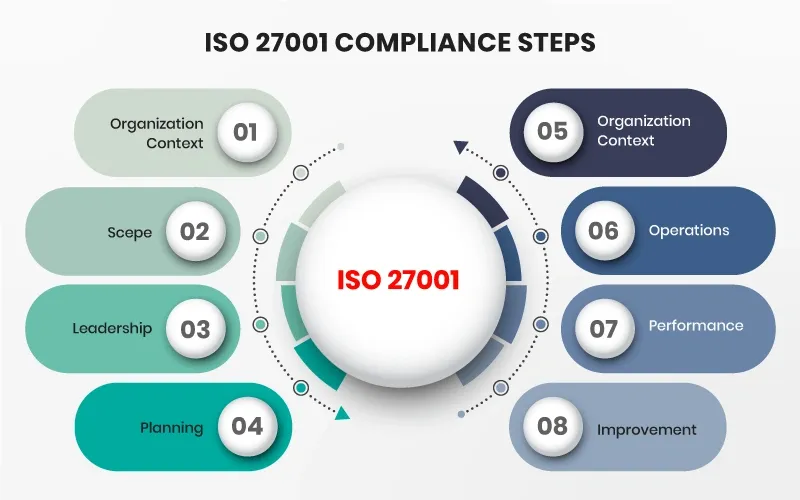
Image Source: EC-Council Global Services
A successful ISO 27001 implementation needs solid gap remediation as its foundation. Your organization must develop a well-laid-out plan to address findings after spotting discrepancies through a full gap analysis. Gap remediation works like your navigation system – it shows you the way forward and helps you arrange solutions that meet compliance requirements.
How Gap Remediation Connects to ISO Gap Analysis Results
Your ISO 27001 gap analysis findings directly shape gap remediation. The analysis reveals problems in governance, risk management, and operational security. A proper gap analysis produces specific outputs that guide remediation:
- A detailed report mapping current practices against ISO 27001 clauses and Annex A controls
- Documentation of what’s compliant, partially compliant, or missing entirely
- A prioritized list of areas needing improvement
Gap remediation turns these learnings into concrete steps. Organizations that rush through analysis often struggle to meet compliance requirements at the last minute. This leads to higher costs and security implementations that don’t work well. Your remediation plan serves as a strategic guide to bridge the gap between your current security and ISO 27001 requirements.
The Critical Path Concept in ISO 27001 Compliance Requirements
The critical path concept helps you prioritize remediation efforts based on their effect and complexity. Not all gaps matter equally – some block your certification path while others need minor tweaks. A good remediation strategy groups gaps by:
- Risk level – High, medium, or low priority
- Implementation complexity
- Resource requirements
- Interdependencies with other controls
High-priority gaps need immediate attention to reduce potential vulnerabilities. This approach tackles the most significant compliance barriers early and smooths your path to certification. Root cause analysis becomes vital during remediation – you need to fix the real problems behind each gap instead of using quick fixes.
When to Start Gap Remediation Activities
Start your gap remediation right after completing the gap analysis. The original gap assessment phase usually takes 2-4 weeks, but remediation planning should begin as soon as you have the findings. Full ISO 27001 implementation typically needs 6-18 months, making quick remediation significant.
Early action brings major benefits. You have three years to match updated standards, but waiting increases your risk exposure. Remediation needs constant monitoring and adjustment. Regular checks help track progress and review control effectiveness.
Your remediation efforts need clear governance to work. This means:
- Assigning each gap to specific teams or individuals
- Creating realistic timelines that consider dependencies
- Using project management tools to track milestones
- Running weekly or bi-weekly reviews to measure progress
Resource allocation matters too – teams need adequate time, tools, and budget to fix identified gaps. Some organizations handle remediation in-house, while others benefit from outside experts, especially with complex requirements or limited internal knowledge.
Gap remediation bridges the gap between finding security shortfalls and achieving ISO 27001 compliance. Careful planning and systematic execution help your organization turn gaps into strengths. This builds a resilient information security management system that meets both compliance requirements and security goals.
Creating Your Gap Remediation Action Plan
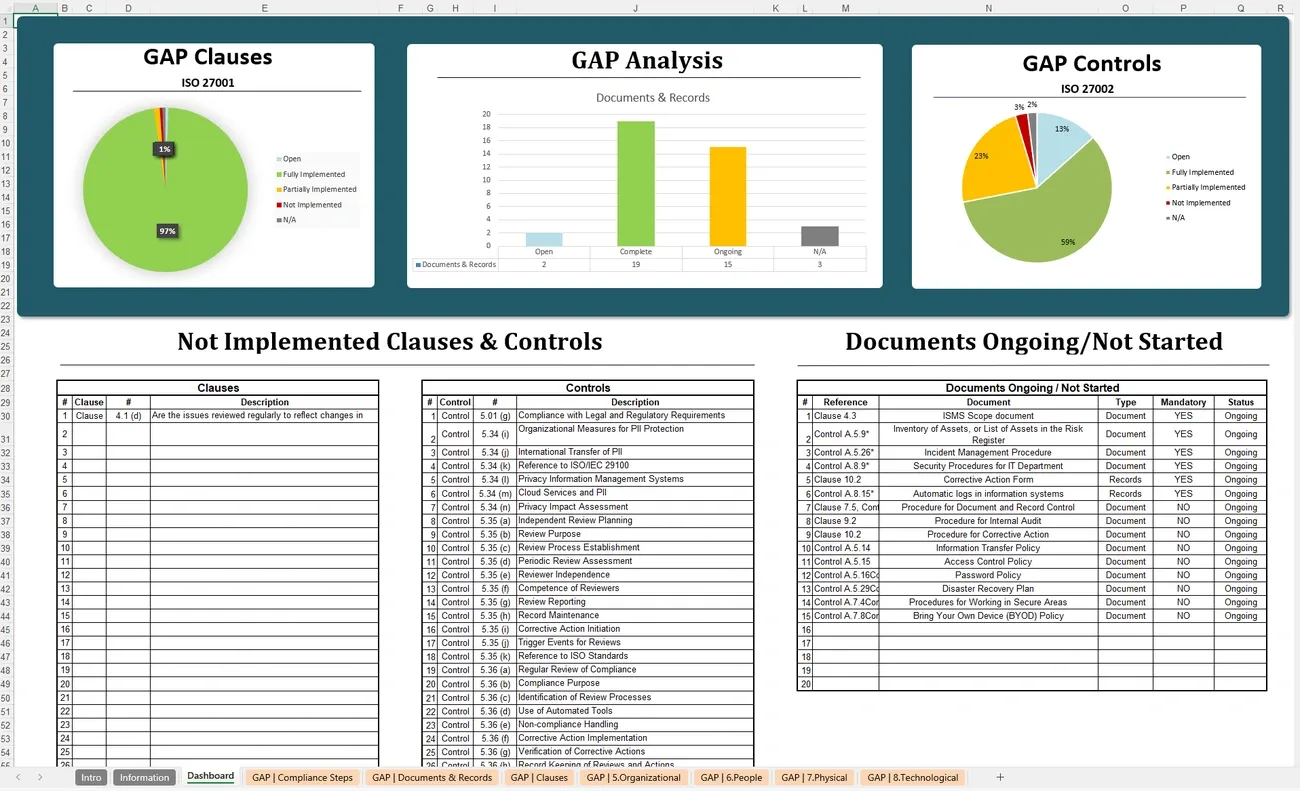
Image Source: Cyberzoni.com
Your next crucial step toward ISO 27001 compliance starts with a structured remediation plan once you spot security gaps. A well-laid-out action plan will give a clear roadmap with specific responsibilities, timelines, and priorities based on your analysis.
Categorizing Gaps: Critical, High, Medium, and Low Priority
Security gaps don’t carry equal weight. The best way to start remediation is to rank each gap by its risk level and how it might affect your organization. Most organizations use a four-tier model:
- Critical Priority – Gaps that directly threaten sensitive data or core operations
- High Priority – Major vulnerabilities needing quick fixes
- Medium Priority – Important issues with moderate risk levels
- Low Priority – Minor concerns with minimal security impact
This ranking system lets you tackle the biggest risks first, such as weak spots in sensitive data or outdated access controls. Each gap needs a root cause analysis to fix the actual problem, not just patch the visible issues. This matches perfectly with ISO 27001’s emphasis on constant improvement and risk management.
Defining Clear Objectives and Success Metrics
ISO 27001 Clause 6.2 requires measurable security objectives. Your remediation plan needs specific, actionable goals. Poor objectives create more than audit problems—they let risks grow unchecked.
Good objectives must meet three standards:
- Operational – Clear changes and ownership
- Measurable – Specific metrics you can check
- Aligned – Direct links to company risk tolerance or regulations
Each objective needs a specific timeframe (“by fiscal year end” instead of “ongoing”), data source (logs, dashboards), and success markers. This turns abstract compliance goals into real actions you can track.
Establishing Governance Structure for Remediation
Strong delegation drives successful remediation. Someone must own each identified gap. Skip vague tasks like “IT to resolve” and name who will handle which control and when.
Project management tools help you:
- Track milestones
- Monitor progress
- Keep stakeholders informed
Regular check-ins (weekly or bi-weekly) help track completion rates and document finished and ongoing work. This structure creates accountability and keeps remediation tasks from falling through the cracks.
Building the Business Case for Resource Allocation
Getting enough resources means showing how ISO 27001 compliance adds business value. Companies that connect their ISMS project to ROI lead readiness discussions instead of defending them.
A solid business case includes:
- Current situation analysis showing risks of inaction
- Business objectives that tie ISO 27001 to company goals
- Implementation plan showing a clear approach
The certification protects revenue, boosts reputation, reduces risks, supports regulations, and streamlines operations. This shifts security from a cost center to a strategic asset that speeds up budget approvals.
This structured approach to remediation planning builds strong foundations for ISO 27001 compliance while focusing resources where they matter most.
Implementing Controls to Close Compliance Gaps
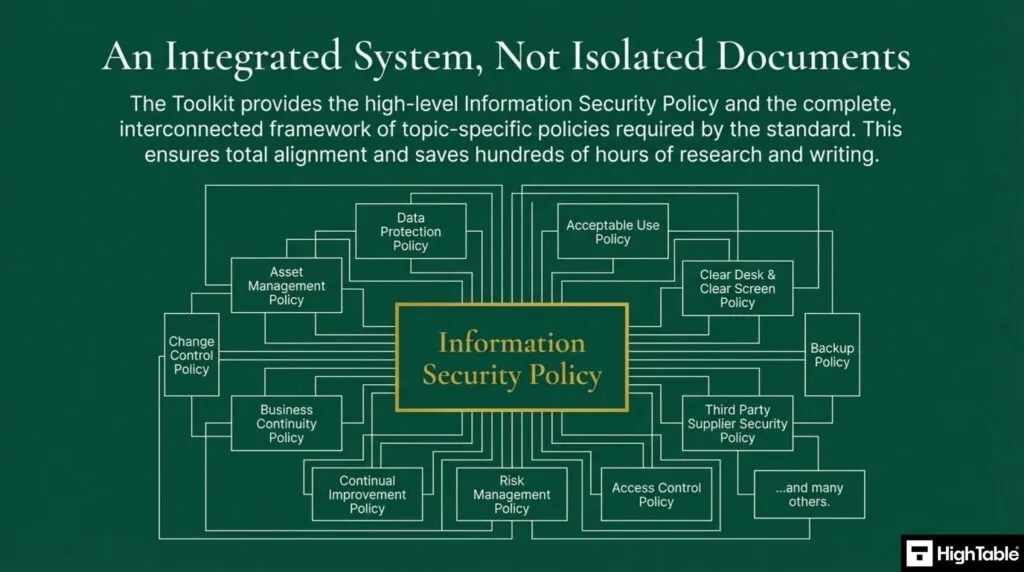
Image Source: High Table ISO 27001 Toolkit
Your organization needs a structured approach to implement controls and close security gaps. The ISO 27001 standard groups these controls into different categories that address specific parts of information security management.
Organizational Controls: Policies and Procedures
Organizational controls create the base for your information security management system. These controls have 37 distinct measures related to information security governance. The core components are information security policy development, clear role definitions, access control policies, and proper information asset management. Your business needs regular reviews of these controls to ensure they work and suit your needs.
Technical Controls: Systems and Security Measures
Technical safeguards protect your information systems, networks, and data through well-laid-out measures. These controls defend against threats like malware, phishing attacks, and unauthorized access. You should choose technical controls based on your specific risks and vulnerabilities. Some examples are data encryption, secure configuration management, data leak prevention, monitoring systems, and intrusion detection.
Physical Controls: Access and Environment
Physical security measures protect your tangible assets and spaces from unauthorized access or damage. The standard lists 14 specific controls for physical environment protection. These controls come in three types: deterrent controls (visible security cameras, barriers), detective controls (alarms, motion sensors), and preventive controls (physical barriers, access mechanisms). Physical controls guard against theft and natural disasters while keeping workplaces secure.
People Controls: Training and Awareness
People can be your biggest security strength or weakness. The standard has eight specific people controls that cover the complete employee lifecycle. Successful implementation starts with proper screening and employment agreements. It continues with complete security awareness training and extends to post-employment responsibilities. New employees need security training when they start, and existing staff need yearly refresher courses.
Third-Party and Supplier Controls
Vendor relationships create major security risks. Research shows 98% of organizations work with at least one third-party supplier that had a data breach in two years. Good supplier controls need security requirements in contracts, reviews of supplier security practices, and ongoing compliance monitoring. You should review potential vendors through a formal supplier risk assessment process before they access sensitive data and repeat these reviews yearly.
Overcoming Gap Remediation Obstacles
Organizations face major hurdles in their ISO 27001 compliance experience, even with a well-laid-out remediation plan. Your implementation stays on track when you spot and tackle these obstacles early.
Addressing Skills Gaps Within Your Team
The lack of internal ISO 27001 expertise stands as one of the biggest barriers to successful remediation. Teams may miss critical gaps or put ineffective solutions in place without proper knowledge. A business should start by reviewing team competency against specific requirements tied to business risk. Skills assessments and practical tests help review proficiency in areas like penetration testing, incident response, and security auditing.
To address immediate gaps, you can:
- Partner with certified ISO 27001 consultants for guidance
- Invest in specialized training for internal staff
- Employ standardized frameworks to guide implementation
Managing Competing Priorities and Deadlines
Resource constraints often undermine remediation efforts. Limited staff, budget restrictions, and resistance to change can derail progress. Security improvements compete with operational goals, which creates implementation friction.
Gap analysis should be treated as a strategic activity rather than a formality to overcome these challenges. Teams should focus on real risk coverage instead of paper compliance and ensure cross-functional visibility across departments. Progress and momentum stay strong with proper governance structures for remediation activities.
Dealing with Legacy Systems and Technical Debt
Legacy systems create major obstacles, particularly when neglected. These obsolete systems often become entry points for vulnerabilities. Cybersecurity technical debt—the accumulation of deferred security fixes and temporary workarounds—quietly increases future incident probability.
Start by reviewing your inventory and creating a detailed list of legacy systems. Risk assessments help identify vulnerabilities so you can implement mitigating controls like network segmentation and strict access restrictions. You need phased decommissioning plans for long-term remediation that minimize disruption while ensuring compliance.
Securing Ongoing Management Commitment
Leadership involvement is the life-blood of successful ISO 27001 implementation. Remediation efforts inevitably falter without genuine top-level support. Senior management must line up security goals with business strategy, uphold accountability, and allocate necessary resources.
You can secure continued commitment by showing how ISO 27001 adds business value. Connect security investments to risk reduction and business growth. Present specific return on investment metrics that strike a chord with executive leadership. Need help explaining this value to your management team? Book a Readiness Call with our experts who can help you build a compelling business case.
Validation and Audit Readiness
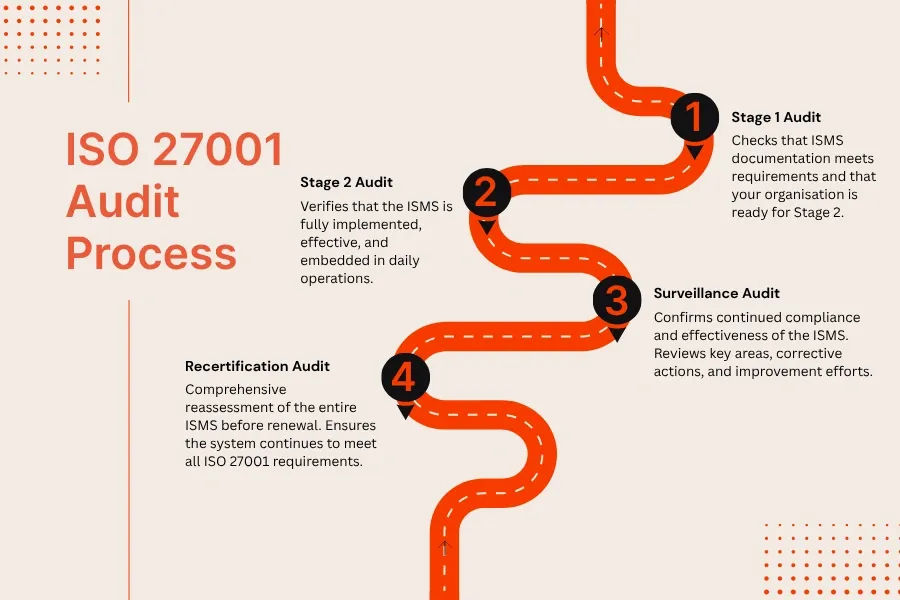
Image Source: YOUR ISO
Proving implemented controls right is a vital final step before ISO 27001 certification. This step revolutionizes your remediation work into audit-ready evidence.
Internal Testing of Remediated Controls
ISO 27001’s Clause 9.2 requires organizations to run internal audits at set times to verify ISMS compliance. Independent auditors must follow a formal process. These auditors can be internal staff or external contractors who stay separate from the functions they assess. Internal audits serve many goals. They prove control effectiveness, spot areas to improve, and make sure guidelines are followed. Organizations that report 70% better security after certification understand this significant validation step.
Pre-Audit Assessments and Gap Re-Analysis
A pre-audit readiness assessment helps before you seek certification. These optional assessments give you a well-laid-out way to spot remaining gaps. This “dry run” copies the real certification audit and reviews your whole management system’s scope, policies, and procedures. The right preparation needs these steps:
- Run a complete document review
- Wrap up analysis of collected evidence
- Show findings to stakeholders with priority concerns
Not sure about your readiness? Book a Readiness Call with our experts who will guide you through this vital prep phase.
Documentation Requirements for ISO 27001 Compliance Audit
ISO 27001 certification needs specific mandatory documentation. The auditor will get into:
- ISMS scope statement (Clause 4.3)
- Information security policy (Clause 5.2)
- Risk assessment/treatment processes (Clauses 6.1.2/6.1.3)
- Statement of Applicability
Organizations must keep both required and recommended information security documentation that shows their ISMS works well.
Measuring Remediation Effectiveness
Control effectiveness assessment needs both pre-certification testing and ongoing monitoring. Organizations should set clear metrics that arrange with their security goals. This steady assessment helps maintain compliance through the three-year certification period. Organizations go through surveillance audits each year during this time.
Conclusion
Gap remediation serves as the foundation of successful ISO 27001 implementation. It turns identified vulnerabilities into structured opportunities to improve. The process shows that compliance goes beyond a simple checkbox exercise to become a detailed commitment to information security excellence.
A successful remediation starts by categorizing gaps based on their risk levels. Critical and high-priority issues need immediate attention, while medium and low-priority gaps can follow a structured sequence. This risk-based strategy targets resources where they matter most to maximize security benefits.
Gap closure activities center on implementing the right controls – organizational, technical, physical, people-related, and third-party. These controls need rigorous testing and validation before certification. Many organizations skip this validation phase and face unexpected issues during formal audits that will get pricey and require rework.
Several obstacles emerge during remediation. Team members might lack skills, priorities compete for attention, legacy systems have limitations, and management commitment can fade. Smart organizations plan for these challenges to keep their momentum strong.
Successful certification depends on careful documentation and evidence collection. Organizations must keep detailed records of all remediation activities. Pre-audit assessments work like dress rehearsals to spot any remaining gaps before formal evaluation.
ISO 27001 compliance needs patience, strategic planning, and consistent execution. Certification usually takes 6-18 months, but the benefits make it worthwhile – improved data protection, stronger security posture, better stakeholder trust, and lower risk exposure. Organizations that maintain compliance through continuous monitoring make information security a core business practice rather than a one-time project.
This structured approach to gap remediation bridges the space between finding security shortfalls and achieving ISO 27001 certification. Your organization can turn compliance challenges into security strengths and build resilience against emerging threats while showing your steadfast dedication to information security excellence.
Key Takeaways
Gap remediation transforms ISO 27001 compliance from a daunting challenge into a structured pathway to security excellence. Here are the essential insights for successfully navigating this critical process:
• Prioritize gaps by risk level first – Address critical and high-priority vulnerabilities before tackling medium and low-priority issues to maximize security impact and resource efficiency.
• Implement controls across five key areas – Deploy organizational policies, technical safeguards, physical security, people training, and third-party management to create comprehensive protection.
• Establish clear governance and accountability – Assign specific individuals to each gap, set measurable objectives, and conduct regular reviews to maintain momentum throughout the 6-18 month implementation timeline.
• Validate controls before certification – Conduct internal audits and pre-audit assessments to identify remaining gaps and ensure your documentation meets ISO 27001 requirements.
• Proactively address common obstacles – Anticipate skills gaps, competing priorities, legacy system challenges, and management commitment issues to prevent costly delays and rework.
Gap remediation isn’t just about checking compliance boxes—it’s about building a resilient information security foundation that protects your organization’s most valuable assets while demonstrating your commitment to security excellence to stakeholders and customers alike.
FAQs
Q1. What is the first step in conducting an ISO 27001 gap analysis? The first step is to define the scope of the analysis. This involves identifying which areas of the organization will be covered in the assessment. After establishing the scope, gather relevant documentation and data, then compare your current state against the ISO 27001 Annex A controls.
Q2. How should organizations address identified compliance gaps? Once compliance gaps are identified, organizations should develop a comprehensive remediation plan. This plan should outline specific actions to align controls and processes with the ISO 27001 standard. It’s important to prioritize gaps based on risk level and create a timeline for addressing each issue.
Q3. What are the main types of controls in ISO 27001 implementation? ISO 27001 implementation involves several types of controls: organizational (policies and procedures), technical (systems and security measures), physical (access and environment protection), people-related (training and awareness), and third-party (supplier management) controls.
Q4. How long does it typically take to achieve ISO 27001 certification? Most organizations require 6 to 18 months to achieve ISO 27001 certification. The timeline can vary depending on the organization’s size, complexity, and current security posture. It’s important to start the process early and maintain consistent progress throughout the implementation journey.
Q5. What documentation is required for an ISO 27001 compliance audit? Key documentation required for an ISO 27001 audit includes the Information Security Management System (ISMS) scope statement, information security policy, risk assessment and treatment processes, and the Statement of Applicability (SoA). Auditors will review these documents to ensure compliance with the standard’s requirements.