A shocking 60% of data breaches involve third-party vendors. This statistic expresses why iso 27001 cyber security plays a vital role in protecting organizational data ecosystems. Supply chain attacks will likely surge 15% annually through 2031. Organizations of all sizes must prioritize vendor risk management.
Cybersecurity risk ratings have emerged as industry standard practices for vendor management. Managing vendor relationships demands identification, assessment, and control of security risks from third-party partnerships. Recent events like the SolarWinds cyberattack remind us that strong vendor security assessments matter more than ever.
This piece examines how ISO 27001 vendor management helps reduce data breaches, compliance gaps, and operational disruptions. Your organization can build lasting trust with vendors while maintaining top security standards through defined roles, applied controls, and continuous monitoring processes.
ISO 27001 Clauses That Govern Vendor Security
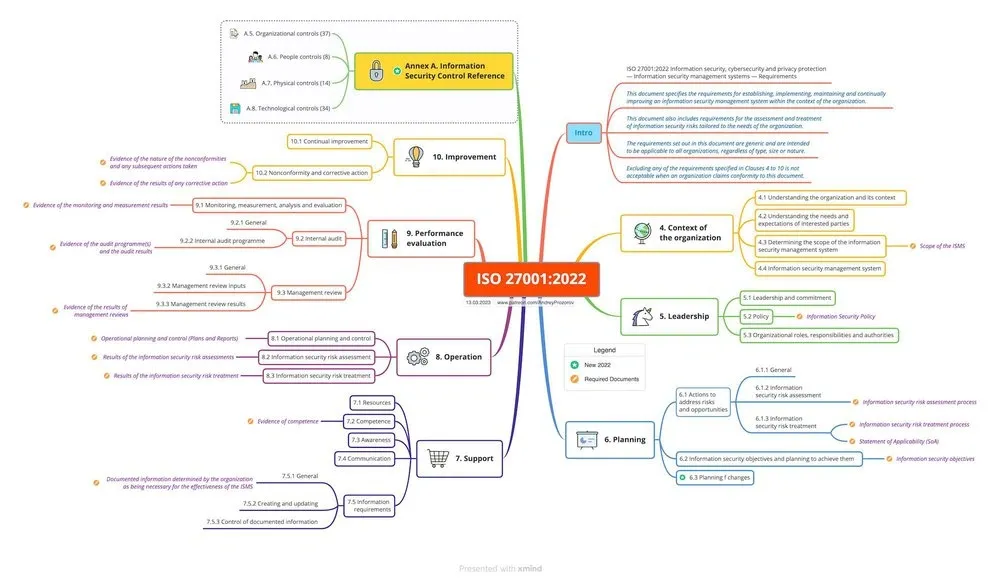
Image Source: Aikido
The five key clauses of ISO 27001 cyber security for vendor management help organizations deal with third-party risks. These controls give you a well-laid-out framework to protect information assets throughout your relationship with suppliers.
Clause 5.19: Supplier Relationship Management
Previously part of Annex A.15, Clause 5.19 creates the foundation for vendor security. Organizations need documented processes to manage information security risks from supplier services and products. The clause requires you to:
- Group suppliers based on their risk levels and importance
- Check vendors thoroughly before working with them
- List what data and systems vendors can access
- Make sure suppliers match your security goals and practices
Clause 5.20: Security Requirements in Agreements
After setting up relationships, Clause 5.20 looks at contract protection. Your vendor agreements should spell out security duties for everyone involved. You need to include:
- Security clauses that cover encryption, authentication, and access controls
- Clear roles during security incidents
- Basic compliance standards vendors must follow
- Your right to audit and collect evidence
Clause 5.21: Managing Changes in Vendor Services
This control helps you stay on top of changes in vendor relationships. You must watch for changes in scope and check risks again when vendors update their systems. Security requirements need updates based on these changes.
Clause 5.22: Ongoing Monitoring and Review
Clause 5.22 stands out as it makes you check vendor security practices and service delivery regularly. This proactive control helps you:
- Hold regular meetings to check performance
- Get proof like access logs and current certifications
- Spot problems with service levels or control breaches
- Keep track of supplier changes in services or systems
Clause 5.23: Secure Termination and Offboarding
Clause 5.23 helps you end vendor relationships properly. You need standard steps to remove access, handle sensitive data, and document the exit. The main requirements include:
- Taking away all credentials, tokens, and API keys
- Getting proof that data was deleted
- Making sure vendors can’t access any systems anymore
These five clauses work together to give you a detailed approach to managing vendor security risks in your ISO 27001 cyber security framework.
Building a Vendor Inventory and Risk Classification System
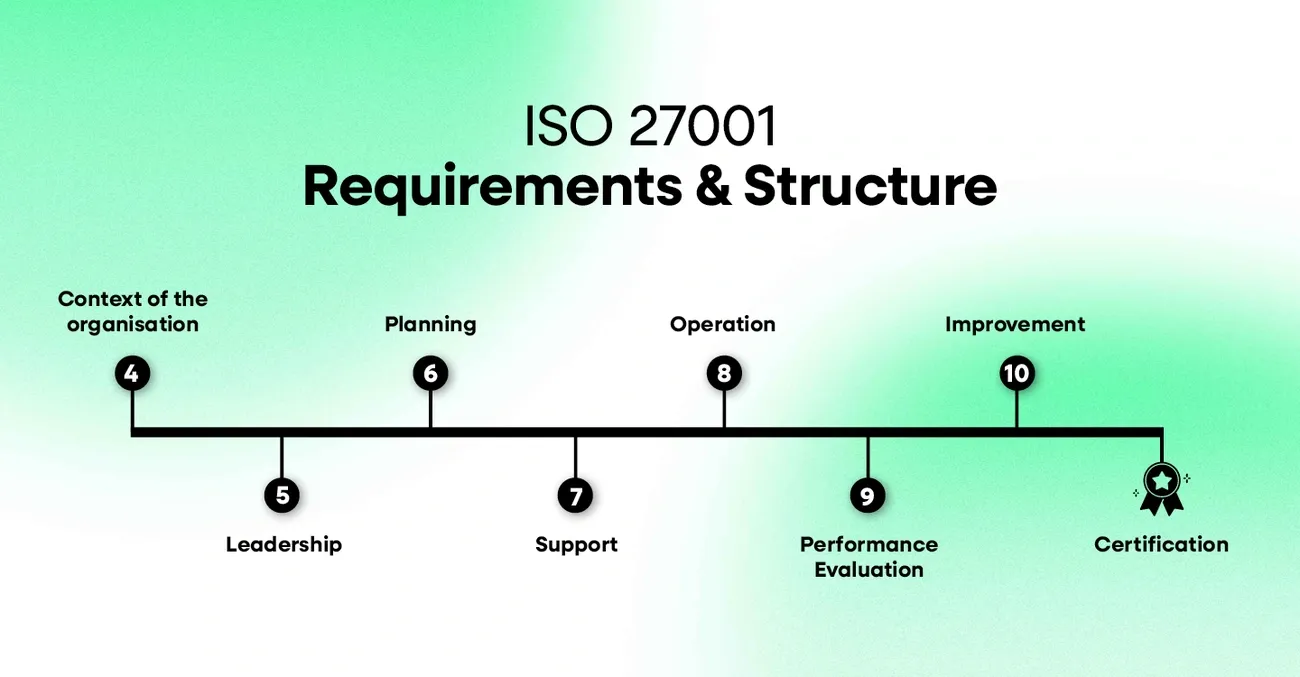
Image Source: ISMS.online
A well-designed inventory system is the life-blood of ISO 27001 vendor management. The right approach helps meet compliance requirements and boosts your security posture through systematic risk assessment and classification.
Centralized Vendor Inventory for Visibility
A centralized vendor register gives you full visibility into all third-party relationships that could affect your information security. You need a single, current supplier repository to document every vendor whatever their criticality level. Companies without centralization face major challenges. These include slow processes, oversight gaps, and shadow IT growth. Your inventory must track:
- Contract details including start/end dates and renewal terms
- Primary points of contact
- Compliance status (ISO 27001, SOC 2, GDPR readiness)
- Service descriptions and their importance to operations
This detailed inventory helps you spot and fix problems before they get pricey.
Vendor Risk Tiers: High, Medium, Low
Risk-based vendor categories help companies use resources wisely and apply controls that make sense. So teams can focus on the most vital relationships. You should create a classification system with clear tiers:
Tier 1: Vendors with direct access to critical systems and sensitive data Tier 2: Vendors with limited access to internal resources Tier 3: Vendors with minimal access to sensitive data Tier 4: Vendors providing auxiliary services without direct system access
Your classification needs clear criteria based on data sensitivity, operational dependency, and service importance.
Mapping Access to Sensitive Systems and Data
Detailed vendor access documentation plays a crucial role in ISO 27001 cyber security compliance. Each vendor profile should list:
- Types of data they handle (PII, source code, financial information)
- Systems and applications they can access
- Authentication methods and access levels
- Data transfer processes between organizations
This mapping shows which vendors need stronger security measures based on their information asset access. On top of that, it helps with incident response by quickly showing which vendors might be affected during security events.
Implementing ISO 27001-Compliant Vendor Controls
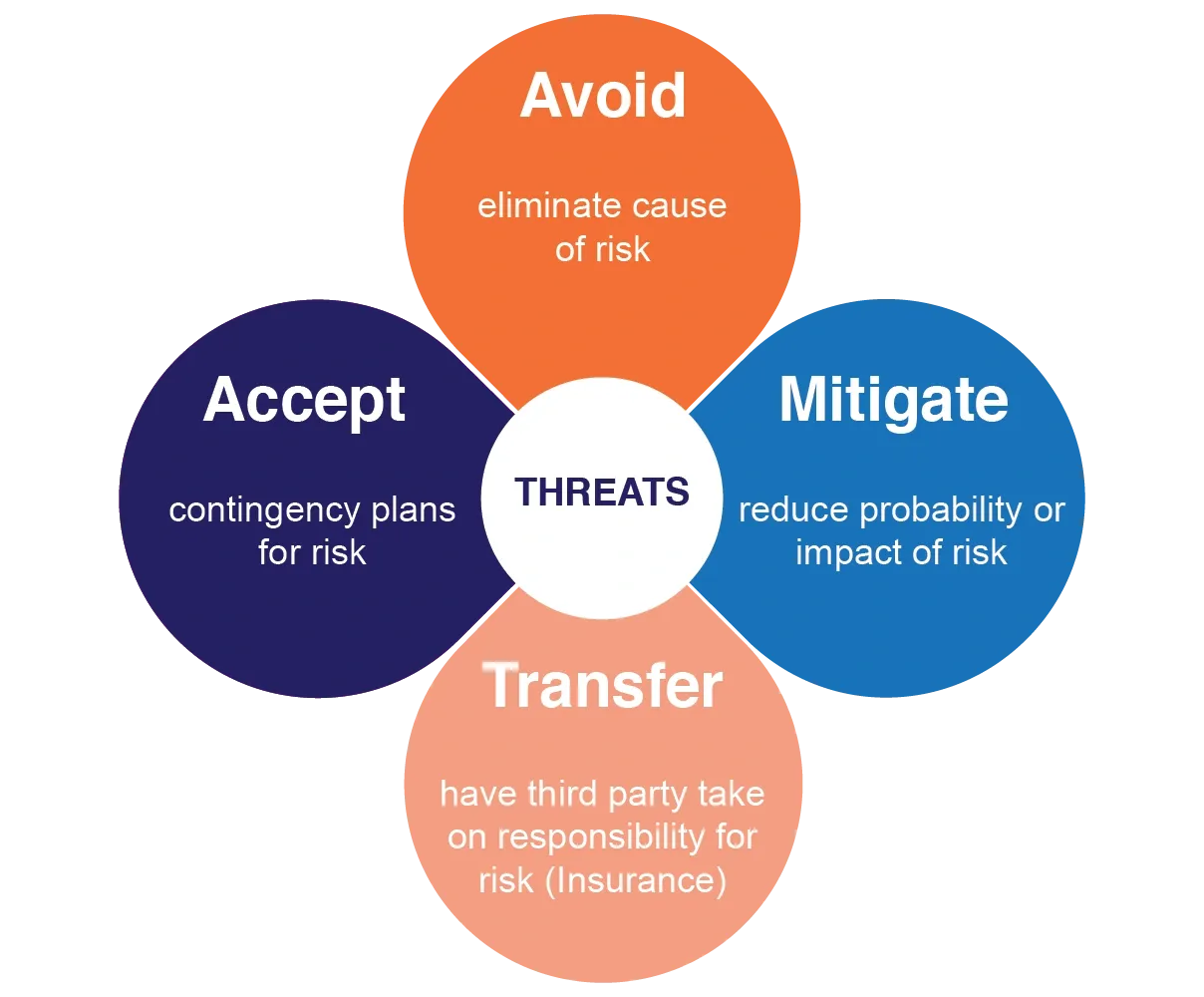
Image Source: Device42
ISO 27001 cyber security principles become real-world protections through proper controls in vendor relationships. These controls turn abstract requirements into actual safeguards that protect your organization’s data ecosystem.
Security Clauses in Contracts and SLAs
Vendor agreements need specific security provisions that spell out each party’s obligations. These provisions should cover encryption requirements, authentication standards, and access control mechanisms. Well-laid-out contracts define acceptable use policies for information assets. They also set up mutual incident management procedures that explain how to handle security issues.
Vendor Cyber Risk Assessment Templates
Standard assessment questionnaires help evaluate vendor security practices consistently. These templates should check certification status (SOC 2, ISO 27001), look at external audit reports, and confirm data protection policies. The assessment must check encryption practices, access controls, and secure data deletion procedures when partnerships end.
Audit Rights and Evidence Collection
Your contracts should clearly state your right to audit vendor security controls regularly and after major changes. Evidence collection procedures must align with ISO 27001 Annex A 5.28 requirements. This ensures proper identification, collection, and preservation of security-related documentation. Book a Readiness Call with specialists who can help create evidence collection processes that meet legal requirements.
Incident Response and Breach Notification Terms
Agreements must set clear timeframes for breach notifications—usually within 72 hours—and expectations for incident logs and post-incident findings. The contracts should also describe each party’s responsibilities to report, investigate, and fix security incidents.
Monitoring, Offboarding, and Continuous Improvement
Security risk reduction goes beyond basic vendor compliance through continuous monitoring. A concerning statistic shows that 45% of organizations reporting that ex-employees retain access to sensitive systems weeks after departure. This makes the final phase of ISO 27001 cyber security implementation crucial.
Quarterly and Annual Vendor Reviews
Annual-only assessments can miss subtle security issues that develop over time. Review frequency should be arranged based on vendor risk tier. Critical suppliers who handle sensitive data should undergo quarterly reviews, while lower-risk relationships need annual assessments. These reviews must gather solid evidence such as:
- Access logs and updated certifications
- Performance against contractual SLAs
- Security incident reports and resolution documentation
Tracking SLA Violations and Security Incidents
A centralized incident tracking system helps assess vendor security effectively. Each SLA violation requires formal documentation that includes how it affected operations, resolution timelines, and root cause analysis. This information proves valuable during contract renewal talks or while evaluating other vendors.
Revoking Access and Data Deletion Protocols
ISO 27001 Annex A 6.5 requires immediate credential deactivation after status changes. Organizations must:
- Remove all credentials, tokens, API keys and shared credentials
- Get data deletion confirmations based on retention requirements
- Check that backups or sandbox environments have no vendor access
Updating Controls Based on Vendor Changes
Quick control reassessment becomes necessary with vendor changes. Risk factors can emerge from scope modifications, new services, system integrations, or SLA updates. A formal change management process should be in place. Each modification should go through risk assessment, approval documentation, and stakeholder signoff.
Conclusion
ISO 27001 cyber security serves as the life-blood to build vendor trust in today’s complex threat landscape. Organizations that implement this framework get a structured approach to manage third-party risks from the original engagement through termination. The five key clauses provide detailed coverage of the vendor lifecycle that will give proper documentation, contractual protections, change management, ongoing monitoring, and secure offboarding.
A centralized vendor inventory with clear risk classification helps organizations allocate resources based on actual exposure levels. Mapping vendor access to sensitive systems and data is not just about compliance – it’s a strategic necessity to protect your information assets.
Security clauses, standardized assessment templates, and clear incident response protocols substantially reduce your vulnerability to supply chain attacks. These controls need regular reviews and updates as vendor relationships evolve. We recommend you Book a Readiness Call with security experts to assess your current vendor management practices against ISO 27001 requirements and spot areas for improvement.
The continuous monitoring and improvement cycle helps close security gaps that might surface between formal assessments. This watchful approach paired with proper offboarding procedures prevents former vendors from keeping access to sensitive systems—a common weakness affecting nearly half of organizations today. By doing this and being methodical about vendor management through ISO 27001, your organization can build lasting trust relationships while maintaining the highest security standards in our interconnected business world.
Key Takeaways
ISO 27001 cyber security provides a comprehensive framework for managing vendor relationships and reducing third-party risks that affect over 60% of data breaches today.
• Five critical clauses govern vendor security: supplier relationship management, security agreements, change management, ongoing monitoring, and secure termination protocols.
• Implement tiered risk classification: categorize vendors into high, medium, and low-risk tiers based on data access and system criticality to allocate security resources effectively.
• Establish contractual protections: include specific security clauses, audit rights, incident response terms, and breach notification requirements in all vendor agreements.
• Maintain continuous monitoring: conduct quarterly reviews for high-risk vendors and annual assessments for others, tracking SLA violations and security incidents systematically.
• Execute proper offboarding: immediately revoke all credentials, obtain data deletion confirmations, and validate complete access removal when vendor relationships end.
The framework transforms vendor management from reactive risk mitigation into proactive security governance, enabling organizations to build trusted partnerships while protecting sensitive information assets throughout the entire supplier lifecycle.
FAQs
Q1. What is ISO 27001 and why is it important for vendor trust? ISO 27001 is an international standard for information security management. It’s crucial for vendor trust as it provides a framework for organizations to protect sensitive data, manage security risks, and demonstrate their commitment to cybersecurity best practices.
Q2. How does ISO 27001 help in managing vendor relationships? ISO 27001 includes specific clauses that address vendor management, such as supplier relationship management, security requirements in agreements, and ongoing monitoring. This helps organizations systematically assess and mitigate risks associated with third-party vendors.
Q3. What are the key steps in implementing ISO 27001-compliant vendor controls? Key steps include incorporating security clauses in contracts, using standardized vendor risk assessment templates, establishing audit rights and evidence collection procedures, and defining incident response and breach notification terms.
Q4. How can organizations classify vendors based on risk levels? Organizations can create a tiered risk classification system, categorizing vendors as high, medium, or low risk based on factors such as the sensitivity of data they handle, their access to critical systems, and the potential impact of a security breach.
Q5. What should be done when terminating a vendor relationship under ISO 27001? When ending a vendor relationship, organizations should follow a secure termination process that includes revoking all access credentials, obtaining data deletion confirmations, and validating that the vendor no longer has access to any systems or environments.