
Privacy Compliance · LOPDGDD Spain
LOPDGDD Spain Privacy Compliance
GDPR Plus Spain’s National Requirements and Digital Rights
A GDPR programme built from templates does not satisfy Spain. Organic Law 3/2018 supplements the GDPR with requirements that exist nowhere else in the framework: a consent age of 14, a defined list of entity types that must appoint a data protection officer, a data blocking obligation that most programmes have never implemented, and a set of workplace digital rights covering employer-provided devices, digital disconnection and monitoring. Elevate Consult builds the Spain-specific layer on top of a GDPR baseline and produces evidence that holds up before the AEPD.
2026 UPDATE
What Spain adds beyond the GDPR
The consent age is 14, not 16
Spain sets the threshold for consent-based processing at over 14 years old. Processing the data of anyone under 14 on a consent basis requires parental or guardian consent, subject to legal exceptions. A platform applying a single EU-wide age gate is wrong in Spain in one direction or another.
Data blocking is a defined obligation, not a concept
When data is rectified or erased, the organization may need to restrict processing while reserving the data solely for potential liabilities and for courts, prosecutors and competent authorities, then destroy it after the limitation periods expire. Most programmes delete or retain; blocking is a third state that requires its own technical and procedural implementation.
DPO appointment triggers go beyond the GDPR cases
The law lists specific entity types that must appoint a data protection officer, including schools and universities, many financial entities, insurers, certain telecommunications providers and health centres legally obliged to maintain medical records, among others. It also sets rules for notifying the authority and maintaining an updated DPO directory.
Workplace digital rights are enforceable obligations
The law establishes digital rights in the employment context including privacy in employer-provided digital devices, the right to digital disconnection, and limits and notice expectations around workplace monitoring and geolocation. These require a policy, worker representative involvement where applicable, and evidence of communication.
Records of processing carry additional expectations
Beyond the GDPR Article 30 requirement, the law adds operating expectations such as keeping the designated DPO informed of meaningful changes.
What the LOPDGDD is
Spain’s adaptation, and a digital rights framework
Organic Law 3/2018 adapts Spanish law to the GDPR and supplements it, while also establishing a set of digital rights that have no direct GDPR equivalent. It has been in force since December 2018, with subsequent procedural and enforcement-related adjustments.
The practical consequence for organizations is that GDPR compliance in Spain must include Spain-specific operational requirements rather than GDPR templates applied unchanged.
Who it reaches
Spanish processing, and extraterritorial GDPR scope
It applies to organizations processing personal data in Spain within the broader GDPR framework it supplements. It also matters to non-EU organizations operating under the GDPR’s extraterritorial scope: where the GDPR applies and the affected individuals are in Spain, Spain’s authority framework can come into play, and the law includes provisions relating to EU representatives and associated liability concepts in defined circumstances.
Consent age 14
Article 7
Over 14 for consent-based processing. Under 14 requires parental or guardian consent, subject to legal exceptions. Age gating has to be configured per jurisdiction.
Data blocking
Articles 32 and related
Restriction of processing following rectification or erasure, reserving data only for potential liabilities and competent authorities, then destruction after limitation periods. Requires a technical state most systems do not have.
DPO appointment triggers
Article 34
A defined list of entity types that must appoint a DPO, beyond the GDPR’s general cases, plus notification to the authority and maintenance of an updated directory.
Workplace digital rights
Title X
Privacy in employer-provided digital devices, the right to digital disconnection, and limits and notice expectations around monitoring and geolocation in employment.
Records of processing
GDPR Article 30 plus
The GDPR record for controllers and processors, with additional Spanish expectations including keeping a designated DPO informed of meaningful changes.
AEPD supervision
National authority
The Spanish data protection authority supervises and enforces. Evidence that satisfies a generic GDPR review may not satisfy a Spain-specific one.
Our approach
Baseline, then the Spain layer
Elevate assesses the GDPR baseline first, then builds the Spain-specific programmes on top, because a Spain layer on a weak baseline produces two problems rather than one.
Readiness assessment
Scope the processing, assess the GDPR baseline and the Spain-specific obligations, and deliver a prioritized remediation plan.
Records of processing
Build and maintain the ROPA across controller and processor roles, with the change notification practice the law expects where a DPO is designated.
Data blocking implementation
Design the blocking state technically and procedurally: what triggers it, where blocked data lives, who can reach it, and what destroys it when the limitation period expires.
DPO assessment and appointment
Determine whether an appointment is mandatory under the Spanish triggers rather than only the GDPR cases, support the appointment and the authority notification, or provide the function on an outsourced basis.
Minors consent programme
Age verification and parental consent workflows configured to the Spanish threshold, with the evidence that demonstrates the control operated.
Workplace digital rights
Policies covering employer-provided devices, digital disconnection and monitoring, with the communication and worker representative involvement the law expects, plus the records that prove both.
ENGAGEMENT PHASES
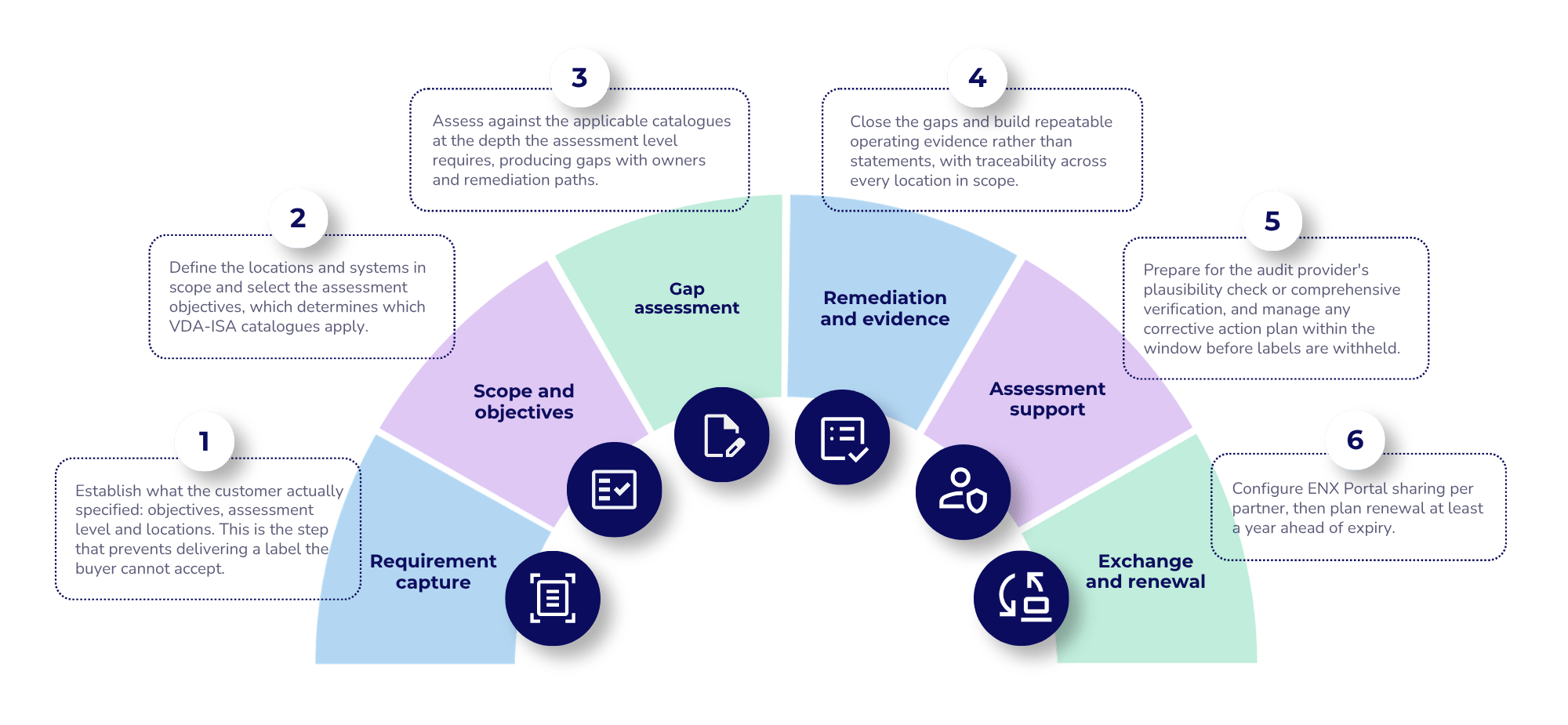
How the work runs
WHO THIS IS FOR
Roles Elevate works with on this standard
GET STARTED
Ready to build a Spain-ready privacy programme?
Whether you are tightening an existing GDPR programme or expanding into Spain, Elevate Consult assesses the national obligations, implements the controls that have no GDPR equivalent, and builds the evidence library that accelerates enterprise due diligence and withstands AEPD scrutiny.
FAQ
Common Questions
What is the LOPDGDD?
Organic Law 3/2018, Spain’s national data protection law. It adapts Spanish law to the GDPR and supplements it, and it also establishes a set of digital rights, including rights that apply in the employment context. It has been in force since December 2018.
How does it relate to the GDPR?
The GDPR is directly applicable EU law. The LOPDGDD complements it at national level, adding Spain-specific rules including the minors consent age, a defined list of DPO appointment triggers, the data blocking obligation and the digital rights framework. A GDPR programme applied to Spain without the national layer is incomplete.
What is the age of consent for minors in Spain?
Over 14 for consent-based processing. Processing the data of anyone under 14 on a consent basis requires parental or guardian consent, subject to legal exceptions. The GDPR permits Member States to set the threshold between 13 and 16, so this varies across the Union and a single age gate does not work.
What is data blocking?
A defined practice under Spanish law: when data is rectified or erased, the organization restricts processing while reserving the data so it remains available only to courts, prosecutors or competent authorities for potential liabilities during the applicable limitation periods, after which it is destroyed. It is neither deletion nor retention, which is why most systems have no state that implements it.
When is a DPO mandatory under the LOPDGDD?
Beyond the GDPR’s general cases, the law lists specific entity types that must appoint one, including schools and universities, many financial and insurance entities, certain telecommunications and online profiling contexts, and health centres legally obliged to maintain medical records, among others. There are also rules for notifying the authority and maintaining an updated DPO directory.
What workplace digital rights apply to employers?
Privacy protections for employer-provided digital devices, a right to digital disconnection, and limits and notice expectations around monitoring and geolocation in the employment relationship. These are enforceable obligations requiring policy, communication and, where applicable, involvement of worker representatives, with records that demonstrate both.