
The CMS audit map altered when the Centers for Medicare & Medicaid Services announced an aggressive strategy in May 2025 to audit all 500-plus Medicare Advantage plans annually, a major expansion from the previous 60 plans. Over $17 billion in overpayments are lost each year. More than half of seniors are now enrolled in MA. The stakes for Medicare Advantage audits have never been higher. Internal auditors must understand Organization-Level Risk Ratio Reviews (ORRs) and become skilled at CMS audit requirements to ensure compliance. We’ll guide you through the evolving CMS audit process and common deficiencies. A detailed preparation checklist will help your organization with RADV CMS audit protocols successfully.
The Evolution of CMS ORR Requirements for 2026
CMS restructured its entire audit framework beginning in 2026. This fundamentally changed how organizations prepare for and respond to compliance reviews. The most important change is the complete removal of audit scoring. Conditions no longer carry point values. The numerical system that previously weighted audit findings is gone.
The agency retired two critical classifications: Immediate Corrective Action Required (ICAR) and Observation Requiring Corrective Action (ORCA). CMS introduced a simplified two-tier structure to replace them. When noncompliance surfaces during a CMS program audit, findings now fall into either Corrective Action Required (CAR) for issues that need remediation, or Observation for noncompliance that doesn’t just need a formal corrective action plan.
CMS piloted a new Compliance Program Effectiveness approach that moves focus from documentation review to live operational integration. Compliance officers now have discussions with CMS during fieldwork. They address how their programs prevent, detect, and correct noncompliance.
CMS launched quarterly Section 111 reporting audits in January 2026 alongside program audits. The agency selects 250 records each quarter to assess reporting compliance. The first audit cycle completed in February 2026 reviewed records submitted between October 11, 2025 and December 31, 2025. This proportionate sampling across GHP and NGHP records marks a major expansion in CMS audit protocols.
Common ORR Deficiencies Internal Auditors Must Address
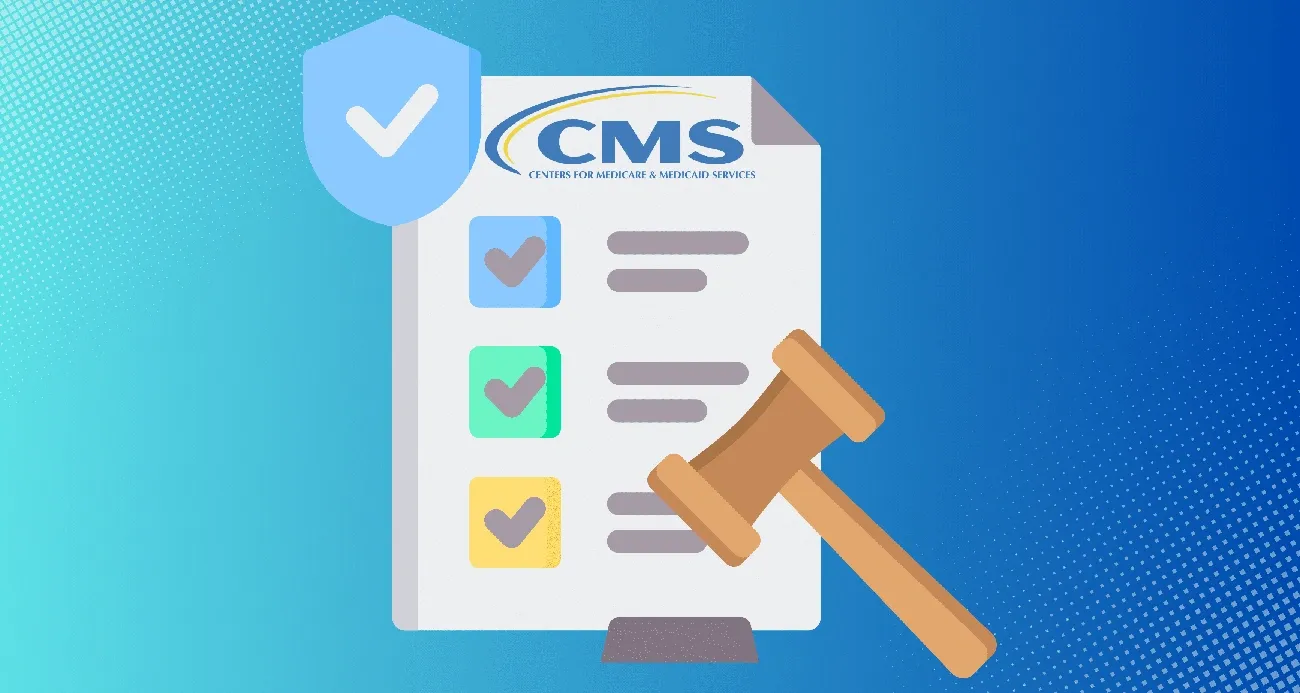
Image Source: Compliancy Group
Universe data submissions emerge as the most frequent failure point in medicare advantage audits. Inaccurate or incomplete universe data delays sample creation, triggers resamples, and complicates eligibility reviews by downstream contractors. The sampling universe fails to reflect actual system information and creates cascading problems throughout the whole cms audit process at the time states provide flawed data. 60% to 85% of data issues originate before submission to the government, notably. Problems include diagnosis code truncation, submission timing errors, provider specialty mismatches, and incomplete vendor data gathering.
Delegation oversight represents a critical weakness. Different delegates using ten different templates don’t create consistency but rather accumulate risk. Plans struggle to measure how much risk each delegate introduces or where that risk concentrates over time. Verification failures compound these issues. State agencies often certify compliance without getting evidence of deficiency correction and accept correction plans as confirmation rather than proving the fixes work.
Testing deficiencies further compromise cms audit protocols. Systems entering production require complete user testing and evidence that demonstrates functional readiness. Book a Readiness Call to strengthen your cms audit checklist and remediation strategy if your organization needs support addressing these vulnerabilities before your next cms program audit.
Step-by-Step ORR Audit Preparation Checklist
A formal audit workplan forms the basis of CMS audit protocols compliance. The workplan must identify all potential audit program areas, required universe tables, data sources, systems of record, and accountable owners for data pulls, validation and submission.
Universe quality assurance demands attention well before you receive an audit notice. Settle submitted data back to source systems and sample to confirm data integrity and logic. Then document known limitations among remediation actions. This proactive approach prevents the universe data problems that disrupt Medicare Advantage audits.
Governance structures require defined roles in Compliance, Operations, IT and delegated entities. You need to establish escalation paths for issues identified during preparation. Track evidence that issues are identified, monitored and corrected throughout the CMS audit process. Validation of downstream entities proves critical. Confirm that delegated entities can support universe development and line up plan-level oversight with operational reality.
Mock audits and webinar simulations deliver the most valuable preparation. Conduct end-to-end walkthroughs that mirror CMS methodology. Test not just documentation but how teams explain processes and oversight during CMS program audit protocols reviews. Identify gaps in compliance oversight before CMS finds them. Book a Readiness Call to design mock audit scenarios specific to your CMS audit checklist and operational structure.
Conclusion
The expanded CMS audit scope and restructured framework just need proactive preparation from internal auditors. We covered the 2026 changes that eliminated scoring systems and identified critical deficiencies like universe data failures and delegation oversight gaps. We gave a detailed preparation checklist. Success in medicare advantage audits depends on universe validation and strong governance structures, along with mock audit simulations. Your organization’s readiness today determines compliance outcomes tomorrow.
Key Takeaways
Internal auditors face a dramatically transformed CMS audit landscape with expanded scope and new requirements that demand immediate attention and strategic preparation.
• CMS eliminated audit scoring systems in 2026, replacing complex point-based classifications with simplified Corrective Action Required (CAR) and Observation categories for streamlined compliance assessment.
• Universe data accuracy emerges as the top failure point, with 60-85% of audit issues originating from incomplete or inaccurate data submissions before reaching CMS review.
• Proactive mock audits and end-to-end simulations provide the most effective preparation strategy, allowing teams to identify gaps and test compliance processes before CMS discovers them.
• Cross-functional governance structures with defined roles across Compliance, Operations, IT, and delegated entities are essential for managing the expanded audit scope and quarterly reporting requirements.
• Delegated entity oversight requires standardized templates and risk quantification to prevent the compliance vulnerabilities that arise from inconsistent delegation management practices.
With CMS now auditing all 500+ Medicare Advantage plans annually instead of just 60, the window for reactive compliance has closed. Organizations must shift from documentation-focused approaches to operational integration that demonstrates real-time compliance effectiveness during fieldwork discussions with CMS auditors.
FAQs
Q1. What major changes did CMS implement for audits in 2026? CMS eliminated the audit scoring system entirely in 2026, removing point values from condition findings. The agency replaced the previous ICAR and ORCA classifications with a simplified two-tier structure: Corrective Action Required (CAR) for issues needing remediation and Observation for noncompliance that doesn’t require a formal corrective action plan. Additionally, CMS expanded its audit scope to review all 500+ Medicare Advantage plans annually instead of just 60.
Q2. What are the most common deficiencies found during CMS audits? Universe data accuracy issues represent the most frequent failure point, with 60-85% of problems originating before data submission to CMS. Other common deficiencies include inadequate delegated entity oversight with inconsistent templates, gaps in compliance monitoring and measurement, missing evidence of root cause analysis, and insufficient corrective action tracking and remediation documentation.
Q3. How should organizations prepare for a CMS audit? Organizations should develop a formal audit workplan with accountable owners, validate universe tables against source systems, and assemble cross-functional audit response teams. It’s essential to centralize all audit-related documentation and conduct mock audits and simulation exercises that mirror CMS methodology to identify gaps before the actual audit occurs.
Q4. What are the key principles internal auditors should follow? Internal auditors should adhere to core principles including independence, objectivity, competence, confidentiality, and professionalism. Due professional care and continuous improvement are also essential for the internal audit function to serve effectively as a trusted advisor to the organization.
Q5. What is the new Compliance Program Effectiveness approach? The Compliance Program Effectiveness approach shifts focus from documentation review to real-time operational integration. During fieldwork, compliance officers engage in detailed discussions with CMS auditors, specifically addressing how their programs prevent, detect, and correct noncompliance rather than simply providing documentation evidence.