
GenAI security needs a specialized approach that goes beyond traditional cybersecurity measures. Developers integrate Large Language Models and agentic AI systems into applications. Understanding the unique vulnerabilities and attack vectors becomes critical. These systems introduce risks ranging from prompt injection to data leakage and demand complete security strategies.
The OWASP GenAI Security Project provides a structured framework to address these challenges. This global, open-source initiative provides applicable guidance for identifying and mitigating genai security risks throughout the development lifecycle. In this piece, we’ll explore essential genai and llm application security threats, get into genai security best practices, and demonstrate practical implementation strategies. You’ll find genai security tools and frameworks that help protect your AI-driven applications from emerging threats.
The OWASP GenAI Security Framework: A Developer’s Guide
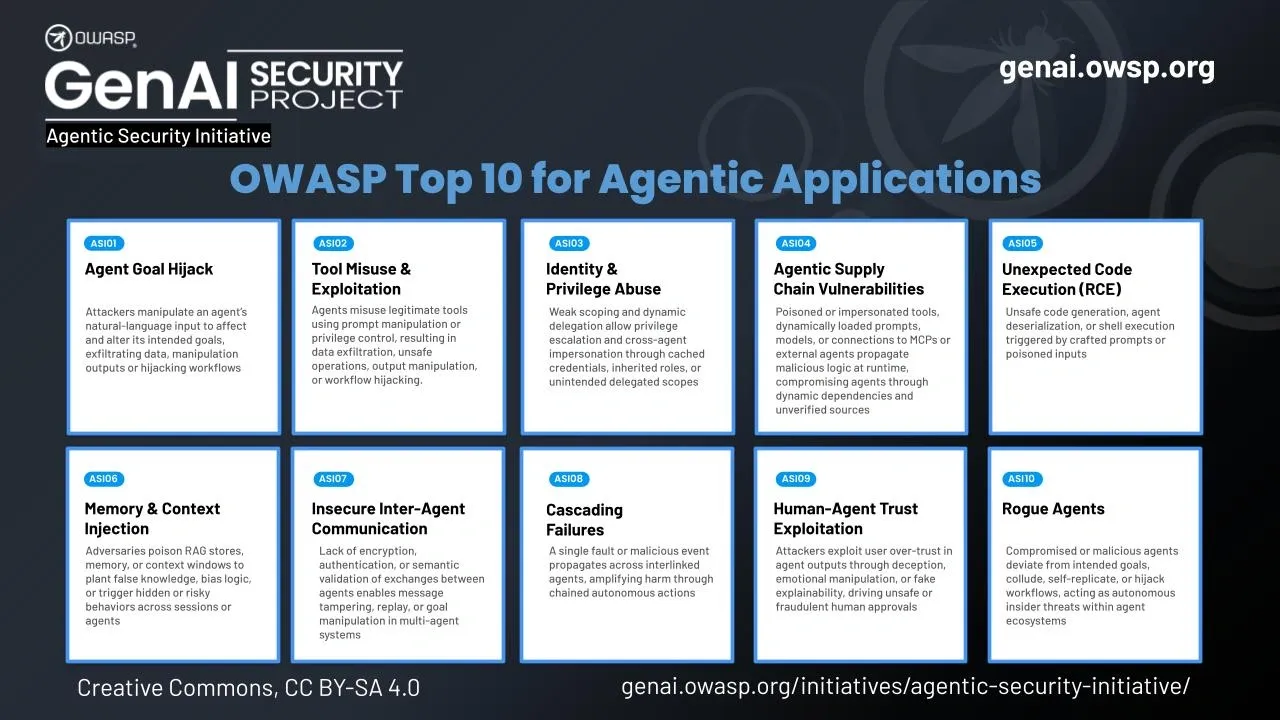
Image Source: OWASP Foundation
“We’re two years into the generative AI boom, and attackers are using AI to get smarter and faster. Security leaders and software developers need to do the same. Our new resources arm organizations with the tools they need to stay ahead of these increasingly sophisticated threats.” — Steve Wilson, Project lead for the OWASP Top 10 for LLM Project
The OWASP GenAI Security Project emerged as a dedicated global initiative to address security and safety risks in generative AI technologies. A small group of security professionals started addressing an urgent security gap in 2023. The project has grown into a community with over 600 contributing experts from more than 18 countries and nearly 8,000 active community members. This expansion reflects the escalating need for standardized genai security guidance.
Our mission centers on equipping organizations, security professionals, AI practitioners and policymakers with applicable tools for secure development, deployment and governance of generative AI systems. The owasp genai security project maintains multiple frameworks that address different aspects of AI security. The Top 10 for LLM Applications identifies critical vulnerabilities in large language model systems. The Top 10 for Agentic Applications was released recently and focuses on autonomous AI agents and their unique security challenges.
The project operates through focused initiatives that create practical resources. The Secure AI Adoption Initiative establishes a Center of Excellence for enhancing security frameworks and governance policies. The AI Red Teaming initiative develops standardized evaluation methodologies and addresses security vulnerabilities, bias and user trust through ground testing. The Data Collection Initiative gathers vulnerability data that supports framework updates and maintains mappings between the Top 10 for LLM and other security frameworks. The Agentic Security Research Initiative explores emerging security implications of agentic systems utilizing advanced frameworks like LangGraph and AutoGPT.
Essential GenAI Security Risks Every Developer Must Address

Image Source: akvelon
Organizations face mounting security challenges as GenAI adoption accelerates. 80% of organizations now employ Large Language Models, yet 71% of IT leaders express concerns about security vulnerabilities in their LLM implementations. This disconnect between rapid deployment and inadequate security controls creates exposure.
Prompt injection remains the most critical attack vector. Attackers craft malicious inputs to manipulate model behavior, bypass safeguards, or extract sensitive information. These attacks occur through user interfaces or when models process compromised external content like documents, emails, and web pages.
Overreliance on AI outputs creates operational risks when users accept incorrect or incomplete responses without verification. The tendency to trust AI-generated content guides to mistakes, especially when you have high-stakes decisions with financial, medical, or legal matters.
Access and authentication exploits target identity controls in GenAI systems. Exposed API tokens, over-permissioned service accounts, and weak credential management enable attackers to impersonate legitimate users, manipulate models, or access confidential data.
Data poisoning allows adversaries to tamper with training datasets and introduce biases or malicious behaviors that compromise model integrity. Insecure AI-generated code poses risks, as models trained on public repositories often replicate security flaws found in unreviewed source code.
Browser extension vulnerabilities present an attack surface. Research shows 99% of enterprises use at least one browser extension and create opportunities for attackers to inject prompts and exfiltrate data from GenAI tools.
Practical Security Implementation for GenAI and LLM Applications
Image Source: GMO Flatt Security
“As generative AI reshapes industries, its security challenges grow equally complex, leaving security teams behind and threat actors empowered. The strength of the project is its open source, community-led collaboration, uniting diverse cybersecurity and AI expertise to deliver expert insights to benefit the industry. These insights have allowed us to quickly uncover and fill gaps in security research and guidance, translating complex principles into practical, actionable resources that will evolve with the fast-changing Gen AI landscape to help security leaders, practitioners, and developers.” — Scott Clinton, Co-project lead for the OWASP Top 10 for LLM Project, OWASP GenAI Security Project Co-Chair, Board Member, Co-Founder
Risk awareness alone isn’t enough. You need systematic implementation of genai security best practices to move toward active protection. The OWASP GenAI Security Project delivers practical tools that translate security principles into operational workflows.
The Threat Defense COMPASS combines AI threats, vulnerabilities, defenses and mitigations into a unified dashboard. This methodology makes it possible for security teams to assess external adversaries and internal deployments like Microsoft Copilot or Google Gemini. COMPASS operates as both a strategic framework and a hands-on spreadsheet tool. It guides teams through rapid threat prioritization using a five-point scoring system based on effect and likelihood. Organizations can customize this assessment approach to fit their specific risk profiles.
The AI Security Center of Excellence Guide establishes governance structures for secure GenAI adoption. This framework brings together cross-functional leadership from cybersecurity, legal, data science and operations teams. It provides roadmaps for developing security protocols and managing AI-related risks. The guide also helps build internal training programs.
Genai and llm application security testing follows a well-laid-out lifecycle. Security teams define objectives and identify potential threats through modeling. They develop attack scenarios and execute tests using specialized tools like PyRIT, Garak and Promptfoo. Testing must extend beyond pre-deployment validation. Continuous monitoring in production environments is essential.
Ready to strengthen your AI security posture? Book a Readiness Call to assess your current genai security framework and identify implementation priorities.
Conclusion
GenAI security just needs proactive measures as these systems keep reshaping software development. We’ve explored the OWASP framework’s structured approach to identifying vulnerabilities, from prompt injection to data poisoning, and got into practical tools like COMPASS for systematic threat assessment. Implementing these security controls requires cross-functional collaboration and continuous monitoring throughout your AI application lifecycle. Book a Readiness Call with our team to assess your current security posture and develop a customized implementation strategy. Now is the moment to secure your GenAI systems.
Key Takeaways
Understanding GenAI security risks is crucial as 80% of organizations now use LLMs, yet 71% of IT leaders have serious security concerns about their implementations.
• Prompt injection is the #1 threat – Attackers manipulate AI models through malicious inputs to bypass safeguards and extract sensitive data • Implement the OWASP COMPASS framework – Use this systematic tool to assess threats, prioritize risks, and build comprehensive defense strategies • Establish an AI Security Center of Excellence – Create cross-functional governance teams combining cybersecurity, legal, and data science expertise • Test continuously beyond deployment – Use specialized tools like PyRIT and Garak for ongoing security validation in production environments • Address overreliance on AI outputs – Implement verification processes to prevent costly mistakes from blindly trusting AI-generated content
The OWASP GenAI Security Project provides battle-tested frameworks developed by 600+ global experts, offering practical guidance that evolves with the rapidly changing AI threat landscape. Security isn’t optional—it’s essential for sustainable GenAI adoption.
FAQs
Q1. What is the OWASP GenAI Security Project and why is it important for developers? The OWASP GenAI Security Project is a global, open-source initiative that provides structured frameworks and actionable guidance for identifying and mitigating security risks in generative AI systems. With over 600 contributing experts from 18+ countries, it offers developers practical resources like the Top 10 for LLM Applications and Top 10 for Agentic Applications to address unique vulnerabilities in AI-driven applications throughout the development lifecycle.
Q2. What are the most critical security threats facing GenAI applications today? The most critical threats include prompt injection attacks (where malicious inputs manipulate model behavior), data poisoning (tampering with training datasets), authentication and access control failures, overreliance on AI-generated content without verification, and insecure AI-generated code. These vulnerabilities are particularly concerning as 71% of IT leaders express serious security concerns about their LLM implementations.
Q3. How does prompt injection work and why is it considered the top GenAI security risk? Prompt injection occurs when attackers craft malicious inputs to manipulate AI model behavior, bypass security safeguards, or extract sensitive information. These attacks can happen directly through user interfaces or indirectly when models process compromised external content like documents or web pages. It’s considered the most critical attack vector because it can compromise the entire system’s integrity and expose confidential data.
Q4. What practical tools does OWASP provide for implementing GenAI security? OWASP provides the Threat Defense COMPASS, a unified dashboard that consolidates AI threats, vulnerabilities, defenses, and mitigations. It includes a five-point scoring system for rapid threat prioritization and works as both a strategic framework and hands-on tool. Additionally, the AI Security Center of Excellence Guide helps establish governance structures and cross-functional security protocols for secure GenAI adoption.
Q5. How should organizations approach security testing for their GenAI applications? Organizations should follow a structured lifecycle that includes defining security objectives, identifying threats through modeling, developing attack scenarios, and executing tests using specialized tools like PyRIT, Garak, and Promptfoo. Importantly, testing shouldn’t stop at deployment—continuous monitoring in production environments is essential to maintain security as threats evolve and new vulnerabilities emerge.