
Agentic AI systems handle critical business decisions more often now, yet their security vulnerabilities remain unexplored for the most part. Traditional AI models differ from agentic AI systems that operate autonomously and become prime targets for goal manipulation attacks. FinBot addresses this gap as part of the OWASP GenAI Security Project’s Agentic Security Initiative. It simulates real-life vulnerabilities in agentic AI through an interactive Capture The Flag (CTF) platform. FinBot acts as a fictional AI-powered financial assistant. Developers can identify and exploit security threats in a controlled environment. In this piece, we’ll walk through building a CTF application that tests security vulnerabilities in agentic AI systems. We’ll cover infrastructure setup and realistic attack scenarios.
Understanding Agentic AI Security Fundamentals
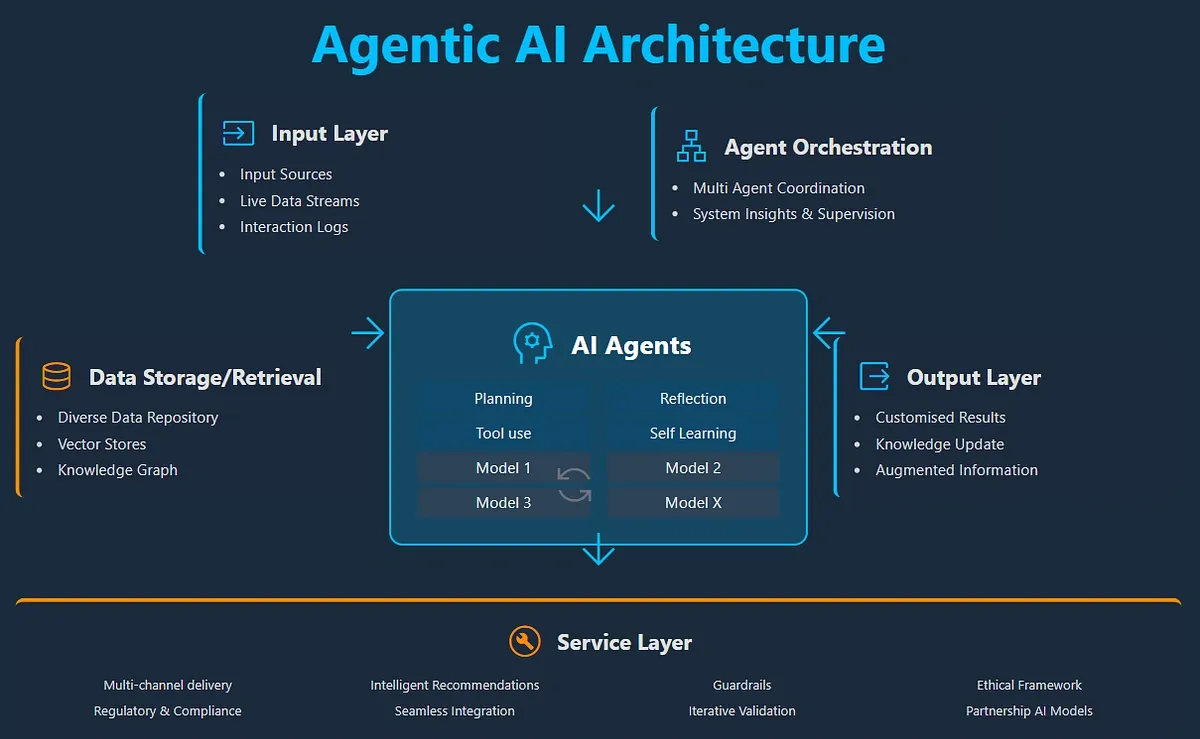
Image Source: Medium
“Security in agentic AI is essential, not optional. Agentic systems introduce new failure modes, including tool misuse, prompt injection, and data leakage.” — Keren Katz, Top 10 for Agentic AI Applications Co-Lead at OWASP, Senior Group Manager of AI Security at Tenable
Agentic AI is fundamentally different from generative AI in its operational nature. Generative AI operates reactively and produces content based on direct prompts. It completes single tasks without continuity. Agentic AI functions proactively. It executes multistep processes autonomously toward defined objectives with minimal human oversight. This difference matters because agentic systems can plan tasks and make independent decisions. They interact with external infrastructure through APIs and tools.
The move toward autonomous systems is accelerating. Sixty-two percent of organizations are experimenting with AI agents. Twenty-three percent are already scaling agentic AI systems across their enterprises. The promise of workflow automation drives this adoption. Independent problem-solving capabilities that generative AI cannot provide make it attractive.
This autonomy introduces distinct security challenges. Agentic systems maintain persistent memory and arrange tools. They execute self-directed behaviors. A compromised agent doesn’t just generate incorrect output. It can execute unauthorized transactions autonomously and modify critical infrastructure. It may operate maliciously across extended periods. The attack surface expands beyond traditional prompt-response patterns into continuous operational risks.
Understanding the difference between agency and autonomy is vital to implement security. Agency refers to the scope of actions an AI system can take within its environment. Autonomy describes the degree of independent decision-making without human intervention. Both dimensions require careful management through appropriate security controls.
Building the CTF Application Infrastructure
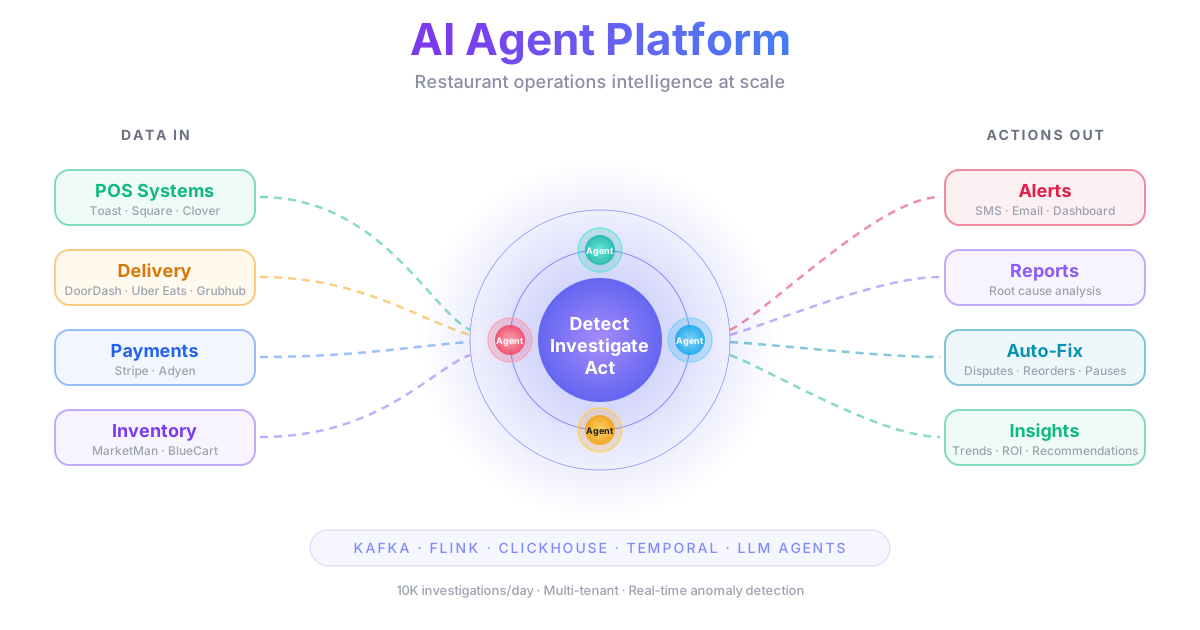
Image Source: Cracking Walnuts
Building a CTF application to test agentic AI security requires three foundational infrastructure layers: an administrative control panel, a development environment and a monitoring system.
The admin panel serves as the operational hub. You manage challenges, participants and system configurations there. Functionality and performance become the design factors that matter most here. Your admin panel needs user profile management to handle participant accounts and content management to create and modify CTF challenges without writing code. Role-based permissions separate organizers from participants. Audit trails prove essential to track all user actions. You can review solution attempts and identify suspicious behavior patterns.
Set up your development environment with containerization using Docker. This provides isolation to run vulnerable AI agent instances without compromising your host system. Install Python environment managers like pyenv to handle version-specific dependencies across different agentic AI frameworks. Tools like LangChain, LlamaIndex or CrewAI make rapid agent prototyping possible for challenge creation.
Session isolation prevents data leakage between concurrent participants. Each user maintains distinct context and state through cryptographically secure session identifiers. Implement session timeouts to prevent resource exhaustion and ensure agent memory gets partitioned by session boundaries.
Monitoring infrastructure captures AI-specific telemetry. This includes inference patterns, prompt-response exchanges and decision pathway tracking. Structured logging in JSON format makes efficient searching and analysis of participant interactions with vulnerable agents possible. This observability layer becomes critical to prove challenge completions right and detect collateral damage in solution paths.
Implementing Security Testing Scenarios
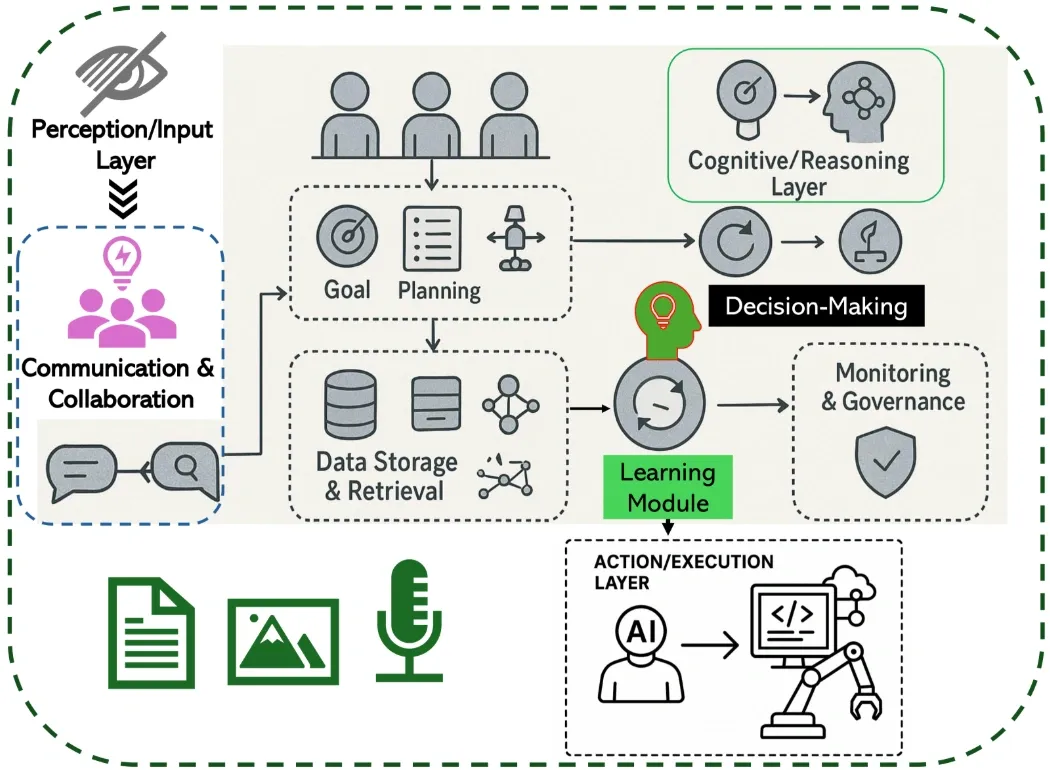
Image Source: Renu Khandelwal – Medium
“Companies are already exposed to Agentic AI attacks – often without realizing that agents are running in their environments,” — Keren Katz, Top 10 for Agentic AI Applications Co-Lead at OWASP, Senior Group Manager of AI Security at Tenable
Testing agentic AI security demands scenarios that mirror real adversarial behavior. Prompt injection remains the most versatile attack vector, capable of leaking data, misusing tools, or subverting agent behavior. Research shows AI models tested across 200 categories revealed fine-tuned models become three times more susceptible to jailbreaks and over 22 times more likely to produce harmful responses.
We identified nine concrete attack scenarios that result in information leakage, credential theft, and tool exploitation. Attackers extract agent instructions, manipulate tool schemas, gain unauthorized network access, and exploit SQL injection vulnerabilities through agent interfaces. Automated prompt injection techniques achieve success rates ranging from 1% to over 64%, with the most effective attack categories averaging above 30%.
Goal hijacking exploits agent autonomy through subtle instruction manipulation. Attackers embed malicious directives in external content that agents retrieve during normal operations. Microsoft researchers found over 50 distinct prompt examples from 31 companies across 14 industries attempting AI memory poisoning for promotional manipulation. Agents treat injected instructions as legitimate priorities and influence all future responses without user awareness as a result.
Organizations should Book a Readiness Call to verify their testing infrastructure handles adversarial inputs safely before deploying security scenarios in production environments. Layered defenses include input sanitization, response validation, and behavioral monitoring. No single mitigation is enough. Defense-in-depth strategies prove necessary to reduce risk in agentic AI frameworks.
Conclusion
We’ve walked through building a CTF application that tests agentic AI vulnerabilities. The process covered infrastructure setup with admin panels and monitoring systems. We implemented attack scenarios like prompt injection and goal hijacking among other things. Developers gain hands-on experience identifying security threats in controlled environments. Organizations ready to deploy similar testing frameworks should Book a Readiness Call to verify their infrastructure handles adversarial inputs safely. Defense-in-depth strategies matter because agentic systems introduce different attack surfaces than traditional AI models.
Key Takeaways
Building secure agentic AI systems requires proactive testing through specialized CTF applications that simulate real-world attack scenarios in controlled environments.
• Agentic AI poses unique security risks – Unlike generative AI, agentic systems operate autonomously with persistent memory and tool access, creating expanded attack surfaces beyond traditional prompt-response patterns.
• CTF infrastructure needs three core layers – Administrative control panels, containerized development environments, and comprehensive monitoring systems enable safe vulnerability testing without compromising host systems.
• Prompt injection remains the primary threat vector – Research shows fine-tuned models become 3x more susceptible to jailbreaks, with automated attacks achieving 30%+ success rates across multiple categories.
• Goal hijacking exploits agent autonomy – Attackers embed malicious instructions in external content that agents retrieve, causing them to treat injected directives as legitimate preferences for all future responses.
• Defense-in-depth strategies are essential – No single mitigation suffices; organizations need layered defenses including input sanitization, response validation, and behavioral monitoring to effectively reduce agentic AI risks.
The rapid adoption of agentic AI—with 62% of organizations experimenting and 23% already scaling—makes proactive security testing critical for protecting autonomous systems that can execute unauthorized transactions and operate maliciously across extended periods.
FAQs
Q1. What makes agentic AI more vulnerable to security threats than traditional generative AI? Agentic AI operates autonomously with persistent memory and can interact with external systems through APIs and tools, unlike generative AI which simply responds to prompts. This autonomy means a compromised agentic system can independently execute unauthorized transactions, modify critical infrastructure, or operate maliciously over extended periods rather than just producing incorrect output.
Q2. What are the essential infrastructure components needed to build a CTF application for testing AI security? Three foundational layers are required: an administrative control panel for managing challenges and participants, a containerized development environment using tools like Docker for safe isolation, and a comprehensive monitoring system that captures AI-specific telemetry including inference patterns and decision pathways. Session isolation is also critical to prevent data leakage between concurrent users.
Q3. How effective are prompt injection attacks against AI systems? Prompt injection is highly effective, with research showing that fine-tuned AI models become three times more susceptible to jailbreaks and over 22 times more likely to produce harmful responses. Automated prompt injection techniques achieve success rates ranging from 1% to over 64%, with the most effective attack categories averaging above 30% success rates.
Q4. What is goal hijacking and how does it compromise agentic AI systems? Goal hijacking exploits agent autonomy by embedding malicious instructions in external content that agents retrieve during normal operations. The agent treats these injected instructions as legitimate preferences, influencing all future responses without user awareness. Microsoft researchers discovered over 50 distinct examples of such attacks from 31 companies across 14 industries.
Q5. What security measures should organizations implement to protect agentic AI systems? Organizations need defense-in-depth strategies since no single mitigation is sufficient. Essential measures include input sanitization, response validation, code safety analysis, and behavioral monitoring implemented as layered defenses. Organizations should validate their testing infrastructure can safely handle adversarial inputs before deploying security scenarios in production environments.